



There are gestures in the world of wine that seem reserved for luxury restaurants, but in reality, anyone can do them at home with spectacular results. Decanting wine is one of them. A process as simple as pouring the wine from the bottle into another container can radically transform what's in your glass. More aromas, more softness, more pleasure.
But not all wines need decanting, nor do they all need to be decanted in the same way or for the same amount of time. In this guide, we explain everything you need to know to decant and use a decanter like a pro.
Decanting involves transferring wine from its original bottle to a special container called a decanter. decanter (or decanter jug), made of fine, wide glass, designed to maximize the contact of the wine with the air.
This process serves two different functions depending on the type of wine:
Young wines with a lot of structure and aged wines that have spent time in the bottle can appear "closed" when opened: their aromas are contained, their tannins are harsh, their expression is limited. Contact with oxygen in the air triggers chemical reactions that open the wineThey soften the tannins and release the aromas. What a wine would take hours to reveal in the glass, it achieves in minutes in the decanter.
Wines that have been aged for a long time in the bottle—gran reserva, wines of more than 10 or 15 years—develop over time a natural sedimentSediment: particles of tannins and pigments that precipitate and settle at the bottom of the bottle. This is not a defect; it's a sign that the wine has aged naturally without aggressive filtration. However, if this sediment mixes with the wine when serving, it imparts bitterness and an unpleasant gritty texture. Decanting removes it.
Not all wines benefit equally from decanting. Here's a quick guide:
Young red wines with a lot of structure and marked tannins: A Cabernet Sauvignon, a powerful Syrah, or a young Petit Verdot may need 30-60 minutes of decanting to open up and show its best profile.
Aged red wines fresh from the winery: If you have a young wine that has only been aged in the bottle for a few years, decanting it will noticeably round it out and soften it.
Gran Reserva and very old wines: To remove the sediment, use careful and slow decantation.
Reserve red wines from recent vintages: Depending on the year and the producer, they can gain a lot with 20-30 minutes of oxygenation.
Some whites with a lot of structure and barrel aging: A very closed, aged Chardonnay can be opened up with a short decanting (15-20 minutes)
Young and aromatic white wines: Its freshness and volatile aromas evaporate with excessive oxygenation
Sparkling wines and cavas: Oxygen destroys the bubbles and flattens the wine in minutes
Very old and extremely delicate wines: Paradoxically, a very old wine can "die" quickly upon contact with air; in these cases, decanting should be very brief or avoided altogether.
Young rosé wines: They lose freshness and floral aroma without gaining anything in return.
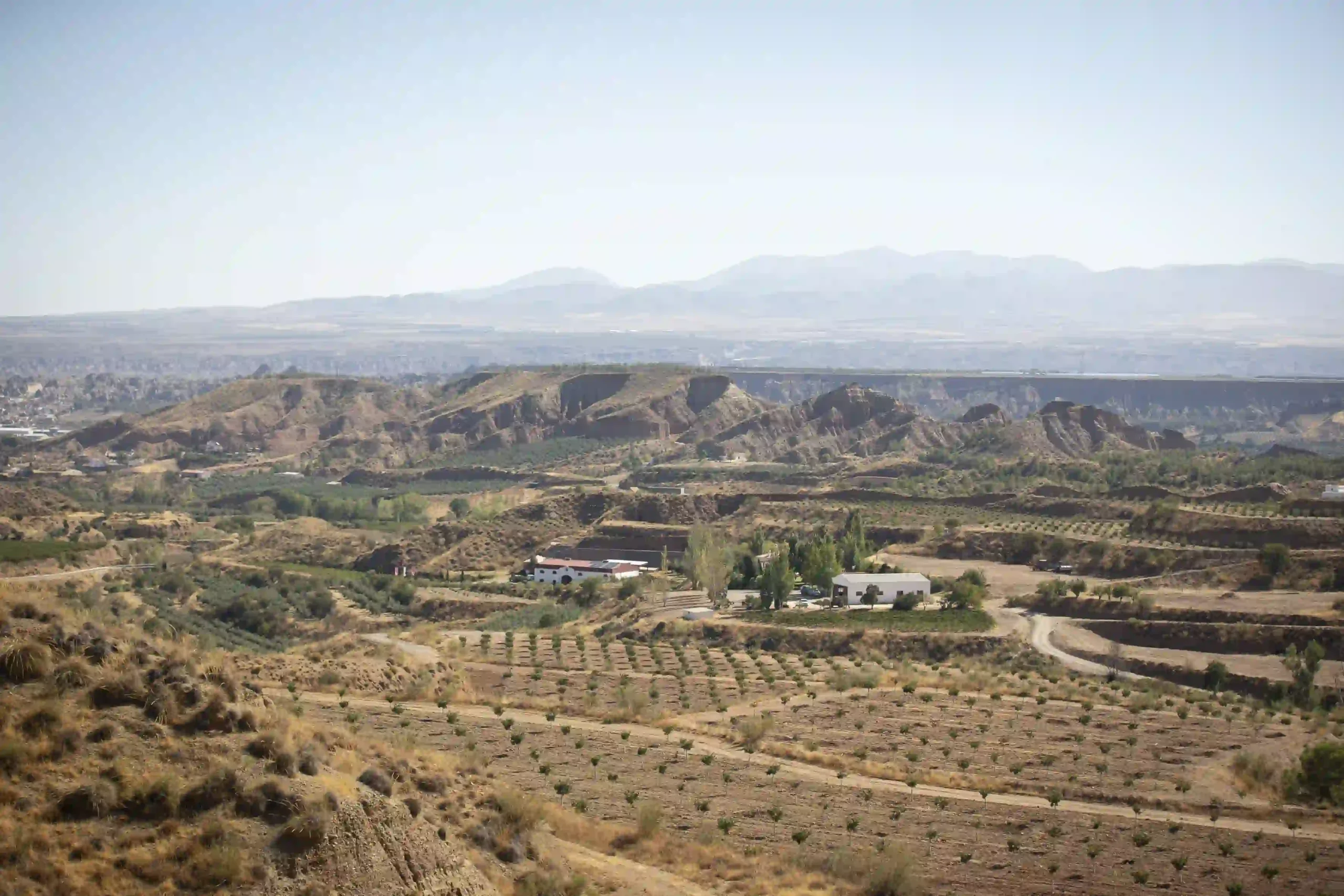
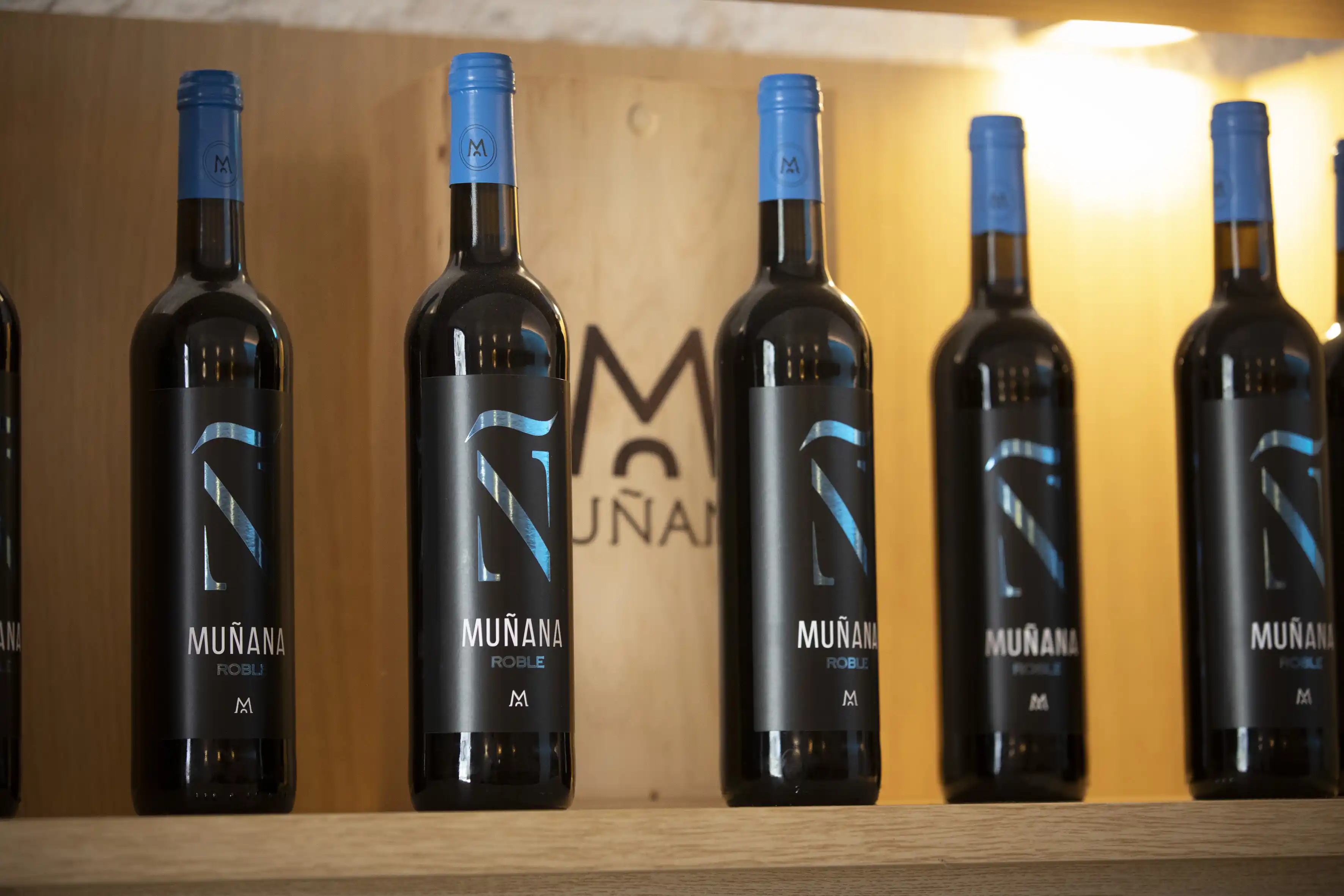
💡 Expert advice: High-altitude wines like those from Bodegas Muñana—made at over 1,100 meters in the Sierra Nevada mountains—tend to have a higher natural acidity than other wines of similar structure, giving them greater resistance to oxidation. This means that the Muñana 1188 Cabernet Sauvignon or the Muñana 1188 Syrah They hold up well in the decanter and especially benefit from good oxygenation.
The market offers decanters in many different shapes, and it's not just a matter of aesthetics. The shape determines how much of the wine's surface is exposed to the air, which regulates the rate of oxygenation.
For regular household use, a standard clear glass decanter With a wide body, it is the most versatile option and sufficient for 90% of cases.
Open the bottle in advance if possible (15-30 minutes before) so that the wine can start to "wake up"
Tilt the decanter Gently pour the wine continuously, letting it slide down the sides of the decanter, not fall vertically to the bottom: this way the oxygenation is gentler and more controlled.
Pour the whole bottle Once and for all; there's no need to leave anything in the bottle if the wine is young.
Let it rest in the decanter the necessary time (see table below)
It serves directly from the decanter
Leave the bottle upright. for at least 24 hours before opening it to allow the sediment to settle to the bottom
Prepare a light source (a candle, a flashlight, or your mobile phone screen) that you can place behind the neck of the bottle
Pour very slowlyWith the light source behind the neck, you'll see the sediment move towards the neck. The moment it starts to appear, stop pouring
A small volume of wine will be lost with the sediment, but the glass will gain in clarity and elegance.
Do not shake or stir The decanter should be used with these wines; oxygenation should be minimal.
The decanting time depends on the type of wine and how "closed" it is:
These times are a guideline. The best indicator is your own palate: taste the wine at the start of decanting and taste it again 20 minutes later. If you notice it has gained in aroma and smoothness, it's working. If you found it balanced from the beginning, it didn't need much more time.
Don't have a decanter at home? No problem. You can achieve a similar effect with two simple tricks:
Serve in a large glass and aerate manually: Pour the wine into a wide Bordeaux glass and swirl it in a circular motion for 30-60 seconds. It's not as effective as a decanter, but it does oxygenate the wine considerably.
Open the bottle in advance: Simply removing the cork 1-2 hours before serving allows a small amount of oxygenation through the narrow neck of the bottle; it's minimal but useful for very closed wines.
A dirty decanter ruins any wine. Its thick walls make it difficult to clean with ordinary sponges, so it's important to know how to do it properly:
Rinse immediately After use: dried wine residue is much harder to remove
Use hot water without soap. whenever possible: soap leaves residues that alter the taste of the wine
Stainless steel beads or cleaning beads for decanters: They are sold specifically for this purpose; you put them in with water and shake them until the glass is spotless.
Dry face down on a special stand or placed at an angle so that all the water drains away without leaving stains
Never in the dishwasher: Heat and detergents can crack or cloud thin glass.
Properly decanting a wine can completely change its behavior when paired with food. A Crianza red wine that seems harsh and closed upon opening can, after 45 minutes in the decanter, become the ideal companion for oxtail or aged cheese.
To get the most out of this effect, combine decanting with choosing the right glass. In our article on types of wine glass You'll find the complete guide to choosing the right container for each wine in your decanter.
And if you want to understand why certain aged wines need more decanting time than others—and how time in the barrel has transformed them—we recommend our guide on the differences between crianza, reserva and gran reserva.
Decanting wine is, in essence, an act of respect and patience: you're giving the wine the time and space it needs to reveal its best side. It doesn't require expensive equipment or advanced technical knowledge. Just a good bottle, a clean glass decanter, and a few minutes' notice.
At Bodegas Muñana, we craft wines with the conviction that every bottle has something to say. Sometimes, it just needs you to let it speak. Discover our range of wines at our online store and find the next perfect candidate for your decanter.
 Spanish Spanish
 English
 Chinese
Puedes realizar tus pedidos con normalidad hasta el 31 de julio.
Durante estas fechas no será posible tramitar pedidos. Volveremos a estar operativos el 16 de agosto.