


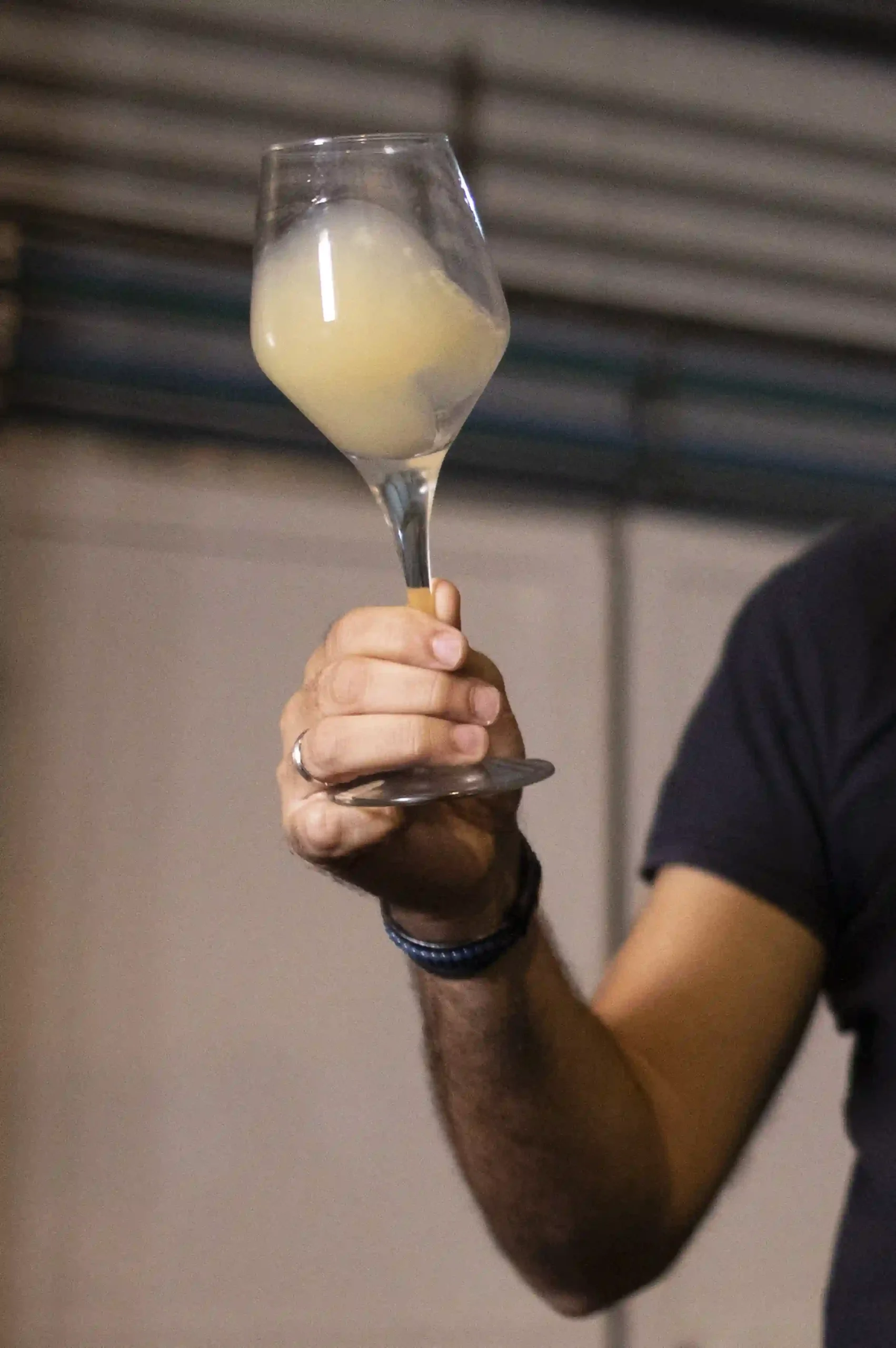
There's a secret that sommeliers know well, but that many wine enthusiasts discover too late: The glass is not just a container, it's part of the flavorThe way wine reaches your nose and touches your tongue depends directly on the glass you use. Choosing the right glass makes all the difference between a mediocre experience and a memorable moment.
At Bodegas Muñana, we've been crafting high-altitude wines on the slopes of the Sierra Nevada for years, and we know that the work done in the vineyard and winery deserves to be complemented by the right glass. This guide explains everything you need to know.
Before looking at the types, it's helpful to understand how they work. A wine glass has three parts that work together: the base (which stabilizes and prevents the heat from the hand from passing to the wine), the three (which allows holding without heating the liquid) and the cup the chalice (which determines how the wine opens up to the air and how the aromas reach your nose).
The width of the glass opening directs the wine to different areas of the tongue—where we perceive acidity, sweetness, bitterness, or salinity—and the bowl's shape concentrates or disperses the volatile aromas. It's not magic: it's physics and chemistry at the service of pleasure.
It is the largest and most voluminous of all, with a rounded, wide bowl that narrows at the rim. It is designed for the delicate and very aromatic red wineswhere the large surface area in contact with the air enhances subtle aromas.
Ideal for: Pinot Noir, light and elegant red wines
Because: The wide opening of the bowl maximizes the oxygenation of delicate aromas that, in a smaller glass, would go unnoticed.
Taller and narrower than the Burgundy glass, with straight shoulders and a slightly narrower opening. It is the most iconic glass for the full-bodied red wines with pronounced tannins and long aging.
Ideal for: Cabernet Sauvignon, Tempranillo, Syrah, Petit Verdot, aged and reserve wines
Because: Its greater height directs the wine towards the back of the tongue, where the tannins are perceived more gently; the narrower opening concentrates the powerful aromas.
And Muñana 1188 Cabernet Sauvignon one Muñana 1188 Syrah They are best expressed in this type of glass: their tannic structure and aromas of ripe black fruit and spices find just the right space.
Smaller and narrower than red wine glasses, with a tulip-shaped calyx. Its smaller size preserves the cool temperature and concentrates the fresh, floral aromas, which are more volatile and delicate.
Ideal for: Chardonnay, Sauvignon Blanc, Verdejo, young and aromatic white wines
Because: The smaller size keeps the wine cold for longer and directs the aromas towards the front of the nose, where we better perceive the floral and citrus nuances.
He Muñana 1188 ChardonnayWith its notes of white fruit and its high-altitude freshness, it is best enjoyed in a chilled glass of white wine.
Some full-bodied white wines—such as barrel-fermented Chardonnays and whites aged on their lees—require a glass that falls somewhere between a standard white wine glass and a Burgundy glass. Wider than a classic tulip-shaped glass, it allows the wine to "breathe" and reveal its layers of complexity.
Ideal for: Aged Chardonnay, whites with great structure and volume on the palate
Rosé wines deserve their own glass: a flower-shaped bowl, wider at the top, which enhances the aromas of fresh fruit, flowers, and herbs. A standard white wine glass can also be used if a rosé glass is unavailable.
Ideal for: Young rosés and sangria rosés
Because: The floral opening makes the aromas of the rosé "explode" on the nose, elevating the experience far above what a conventional glass would achieve.
Tall, narrow, and elongated, the flute is the classic vessel for cavas, champagnes, and sparkling wines. Its vertical shape concentrates the bubbles in an ascending column and retains the carbon dioxide for as long as possible.
Ideal for: Cava, Champagne, sparkling in general
Because: The narrowness of the glass slows the loss of gas and directs the bubbles towards the center, creating that characteristic visual effect.
He Muñana 1188 Brut NatureWith its fine and persistent bubbles born from mountain vineyard grapes, it finds its best expression in the flute or in a tulip-shaped sparkling wine glass.
More and more sommeliers and wineries prefer to serve quality sparkling wines in a wider tulip-shaped glass, similar to a white wine glass. It sacrifices some bubble persistence, but It gains enormously in aromas and complexity.allowing the nuances of the sparkling wine to be fully appreciated. It's the choice if you want to get the best out of a quality Brut Nature.
Smaller and narrower than any other, since sweet wines are served in smaller quantities and at lower temperatures. The reduced opening concentrates the aromas of honey, candied fruit, and sweet spices.
Ideal for: Late harvest wines, Sauternes, Pedro Ximénez, Muscat
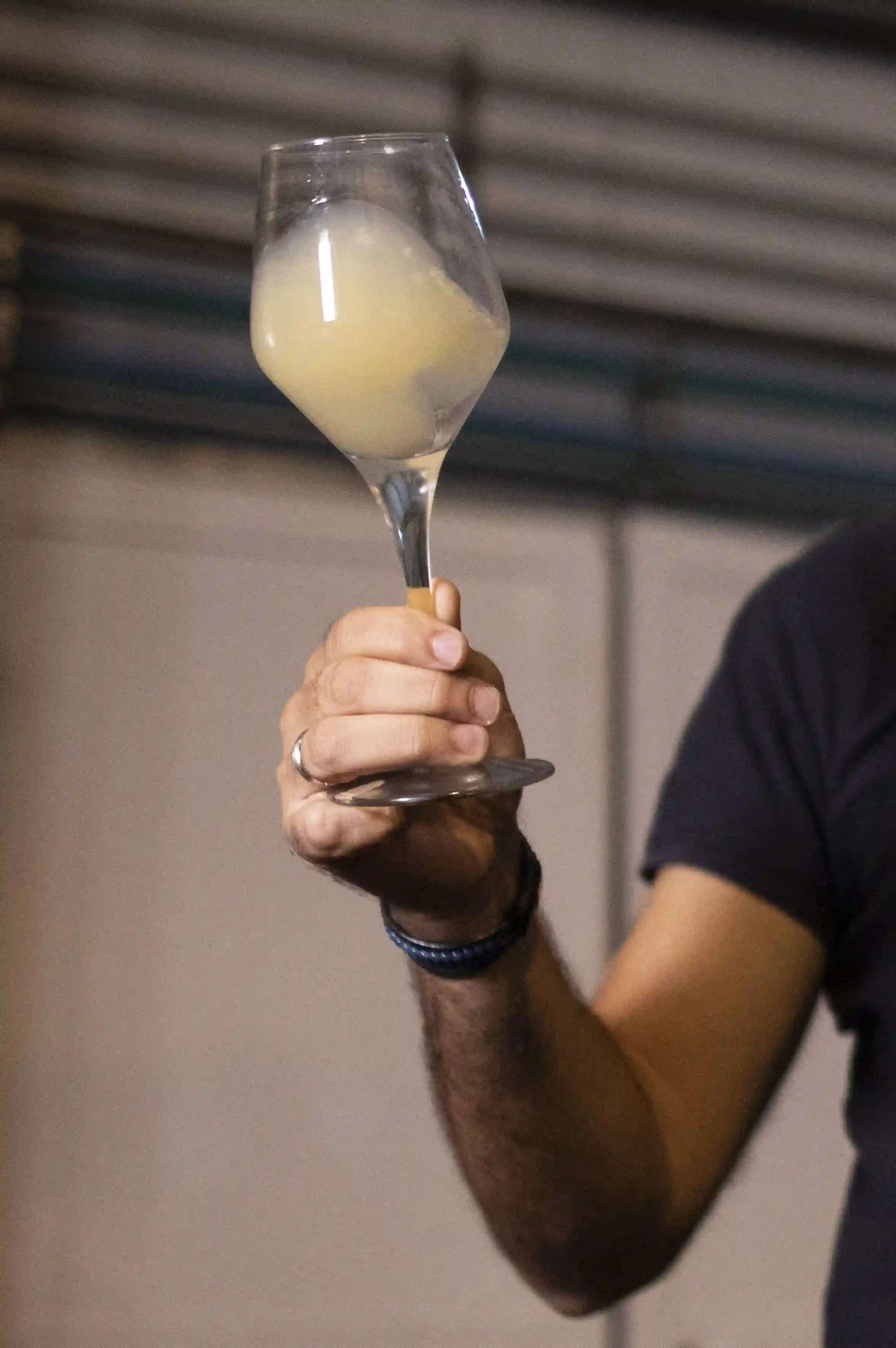
You don't always have eight different types of glasses at home. If you have to choose one glass for everything, choose one. Medium-sized Bordeaux glassIt works reasonably well for both full-bodied reds and whites, and is the most versatile common denominator. For sparkling wines, even if it's not a flute, use it chilled and fill it less to better preserve the bubbles.
The golden rule is this: Never use a stemless glass.The heat from your hand raises the temperature of the wine in seconds and ruins what took years to build.
A good fine crystal glass is an investment, and deserves care:
Hand wash whenever possible: Dishwashers can leave soap residue that alters the taste of wine.
Dry with a lint-free microfiber cloth: It prevents watermarks and gives shine to the glass.
Store face upNever inverted on a porous surface that absorbs odors
Never use scented polishes: Any perfumed residue will contaminate the aromas of the wine
Temper the glass before serving: A quick rinse with water eliminates any possible odors from the closet.
Choosing the right glass isn't snobbery: it's respect for the work of the winegrower, the winemaker, and ultimately, your own palate. At Bodegas Muñana, we craft each wine with the conviction that it deserves to reach your glass in the best possible condition. Now you have all the keys to ensure that it does.
If you want to discover how each of our wines comes to life in the right glass, we invite you to visit us at our winery in Alhama de Granada and see it for yourself, at over 1,100 meters altitude, with views of Sierra Nevada in the background.
 Spanish Spanish
 English
 Chinese
Puedes realizar tus pedidos con normalidad hasta el 31 de julio.
Durante estas fechas no será posible tramitar pedidos. Volveremos a estar operativos el 16 de agosto.