



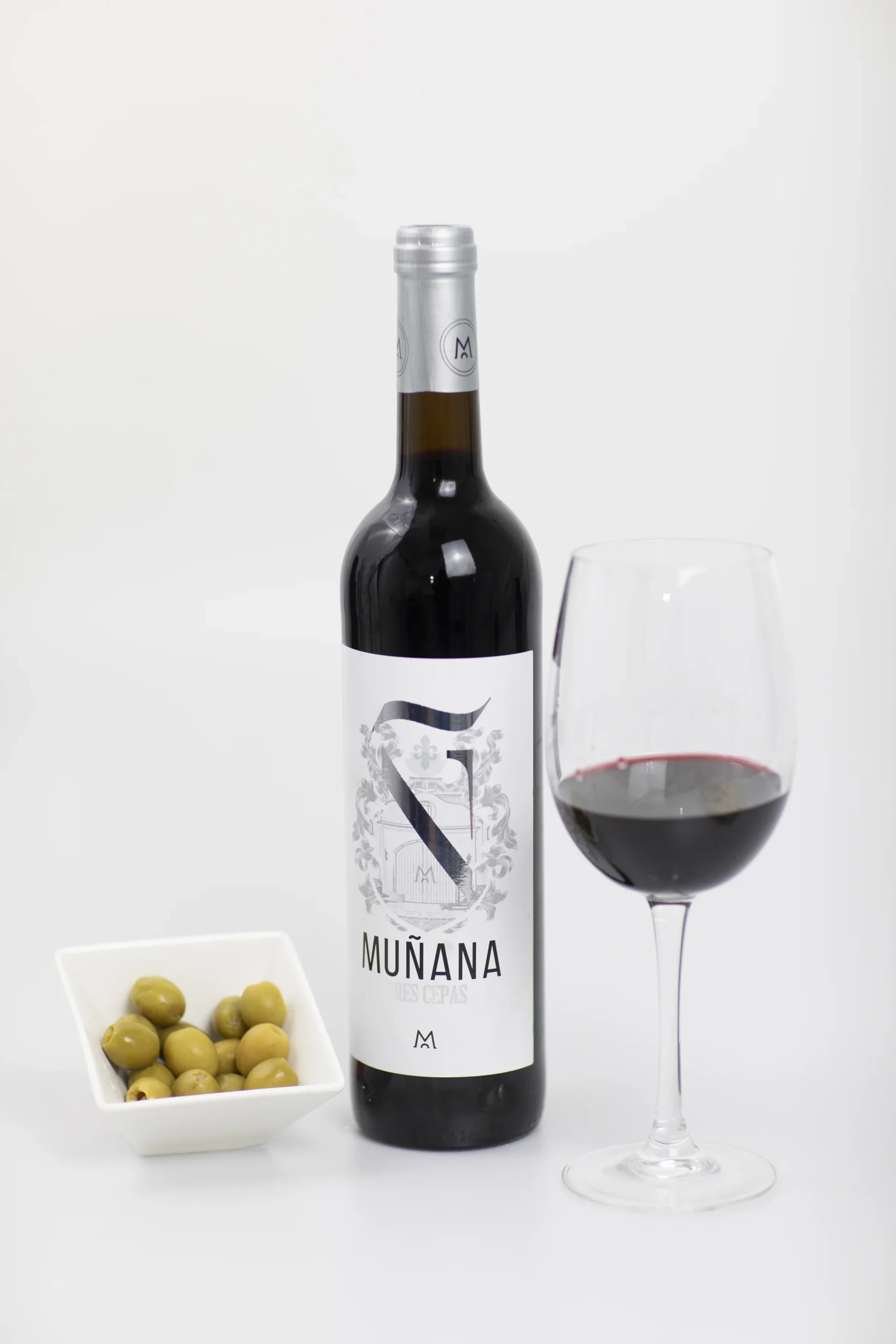
Vegetarian cuisine has gone from being a niche option to one of the most solid and creative gastronomic trends of the last decade. And with it, a question has arisen that more and more people are asking themselves at the dinner table: What wine goes well with vegetarian food?
The answer isn't as simple as "white wine goes with everything green." Vegetarian cuisine is extraordinarily diverse, ranging from a fresh salad to a lentil curry, pesto pasta, or roasted eggplant with miso, and this diversity requires a pairing approach that is just as nuanced and flexible as the one we apply to any other type of cuisine.
In pairings with meat and fish, the protein ingredient is usually the star and dictates the wine choice. In vegetarian cuisine, the focus is distributed differently:
Vegetables They contribute bitterness, acidity, natural sweetness or earthy notes depending on the variety and cooking method.
Legumes They have a creamy texture, vegetable protein, and sometimes earthy or smoky notes.
Cereals and pasta They are more neutral but absorb and enhance the sauces that accompany them.
The cheeses (in ovo-lacto-vegetarian cuisine) they provide fat, salt and umami in a similar way to how meat does
Mushrooms and fungi They are great allies of vegetarian pairing because of their umami and earthy notes and their ability to "act like meat" in flavor intensity.
Spices and herbs They can radically transform the profile of the dish: a steamed cauliflower is not the same as a curried cauliflower.
The fundamental principle of vegetarian pairing is the same as that of any other: look for complementarity or contrast between the profile of the dish and that of the wine.paying attention to the dominant flavor, texture, intensity, and cooking.
Before getting into specific pairings, these five principles will always guide you:
Follow the intensity of the dish: A delicate vegetable dish calls for a delicate wine; a robust legume stew with spices calls for a wine with more body and structure.
The acidity of wine is your best ally: Most vegetarian dishes—salads, lemon vegetables, tomato-based dishes, vinaigrettes—have natural acidity. A wine with good acidity harmonizes with it rather than overpowering it.
Beware of strong tannins: The strong tannins in some red wines can clash with plant proteins and the bitter flavors of certain vegetables, creating unpleasant metallic or bitter sensations.
Cooking changes everything: A raw carrot and a carrot roasted with honey are two completely different foods to pair with wine. The heat and caramelization enhance the sweetness and intensity, resulting in fuller-bodied wines.
Don't exclude red wine: The automatic association "vegetarian = white" is limiting. Young, light reds, full-bodied rosés, and certain gently aged reds pair wonderfully with many medium-to-high-intensity vegetarian dishes.
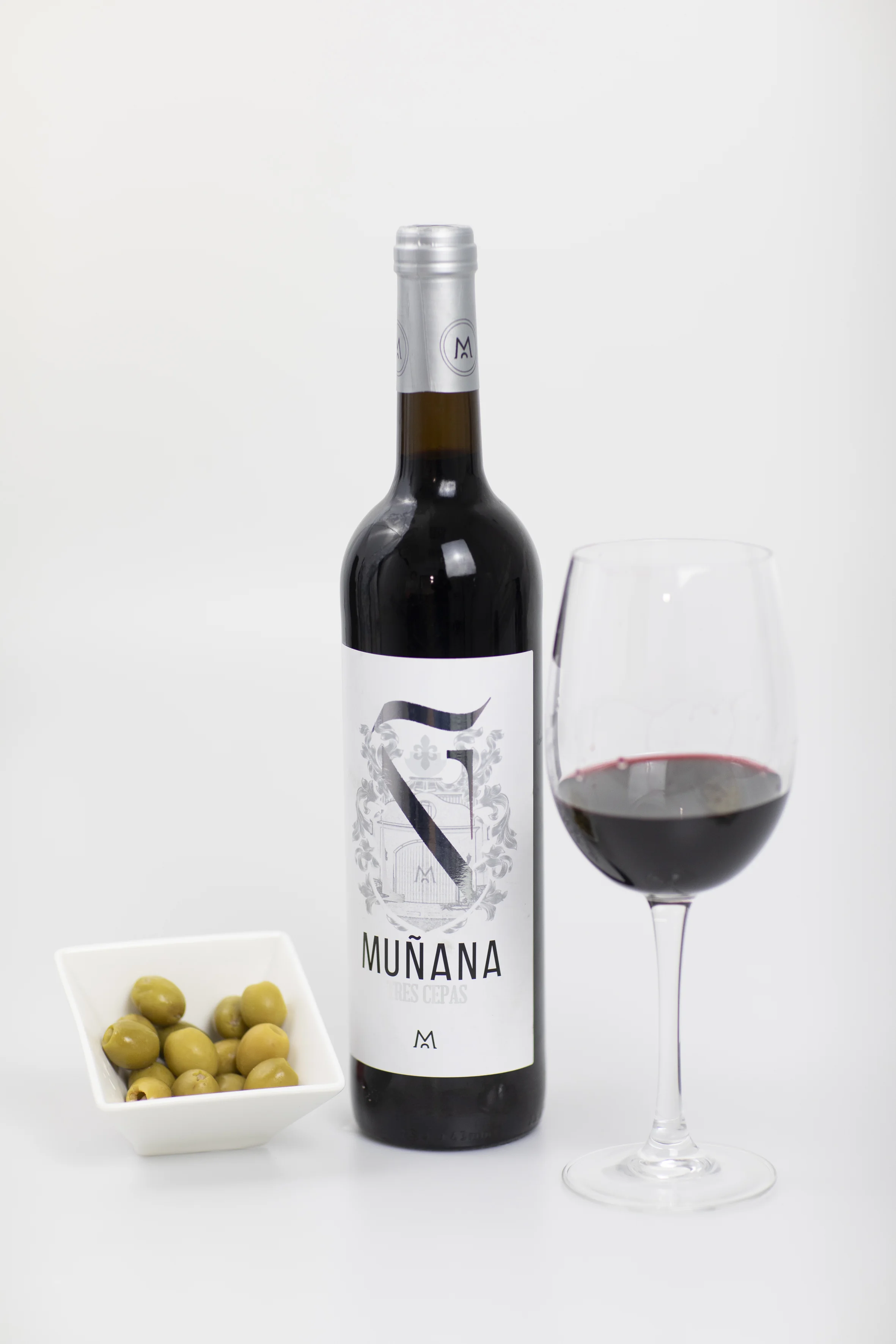
Salads and dishes of raw or lightly cooked vegetables are the natural territory of young and fresh white wines with good acidity.
Green salad with vinaigrette: Vinegar is wine's worst enemy. The only solution is a wine with acidity equal to or greater than that of the vinaigrette. A very fresh, mineral white wine or a Brut Nature sparkling wine are the safest options. Muñana White It holds up perfectly when ice cold.
Tomato and basil salad: Tomatoes have both acidity and sweetness. An aromatic white wine with herbaceous notes or a fresh rosé are ideal; the tomato's acidity complements that of the wine, and the basil harmonizes with the herbaceous aromas.
Gazpacho: One of the most challenging pairings due to the combination of vinegar, garlic, and tomato. Very dry sparkling wines or high-acidity white wines are the most resilient options.
Raw vegetables with hummus: The smoothness of the hummus and the crunch of the raw vegetables call for a fresh and light white wine, without too much body that would overpower the delicacy of the whole.
Arugula salad with Parmesan and walnuts: Arugula is bitter, Parmesan is salty and umami, and nuts are oily and bitter. A white wine with some texture or a full-bodied rosé works well; avoid red wines with pronounced tannins.
Cooking radically transforms vegetables. Roasting and grilling caramelize the sugars, reduce bitterness, and create toasted and smoky notes that pave the way for fuller-bodied wines.
Roasted peppers: Its concentrated sweetness calls for a vibrant rosé or a white wine with some body. Muñana Rosé With its Sierra Nevada freshness and vibrant red fruit, it's a natural choice.
Grilled or pickled eggplant: The smoky notes and meaty texture of roasted eggplant pair perfectly with a young, fruity red wine or a characterful rosé. If the eggplant includes honey or pomegranate, a semi-sweet, aromatic white wine also works well.
Roasted zucchini and squash: Its natural sweetness and smooth texture call for a white wine with some fruit or a fresh rosé.
Roasted cauliflower or broccoli with spices: If they contain paprika, cumin, or curry, a full-bodied rosé or a very light red wine are ideal companions. Cooking reduces the bitterness of cruciferous vegetables, which can make wine pairings so difficult.
Grilled asparagus: Asparagus is one of the most difficult vegetables to pair with wine due to its asparagine content, which can impart metallic flavors to many wines. The solution: a white wine with high acidity and herbaceous aromas, such as a Sauvignon Blanc or a high-altitude white with fresh notes.
Mushrooms are the vegetarian ingredient that comes closest to the realm of aged red wine. Their natural umami, earthy notes, and meaty texture create a connection with the tertiary aromas of great red wines.
Sautéed mushrooms with garlic and parsley: A young, fruity red wine or a lightly aged red. The earthy notes of the mushrooms connect with the aromas of damp earth and fungi in the red wine.
Mushroom risotto: The creaminess of the rice and the intensity of the mushrooms call for a full-bodied white wine (aged Chardonnay) or a light red wine with acidity. Muñana 1188 Chardonnay With its mountain texture and complexity, it's an exceptional choice for this dish.
Baked seasonal mushrooms: Porcini, black trumpets, chanterelles… the noble mushrooms of autumn call for aged red wines with earthy notes. Muñana Roble one Muñana 1188 Tempranillo They work with elegance.
Truffle (if we're lucky): The most elegant pairing: Pinot Noir or an aged red wine with earthy notes. Truffles need a wine that speaks their language of earth and mystery.
Legumes such as lentils, chickpeas, beans, and broad beans are the vegetarian ingredients with the most body and protein. Their dense texture, earthy notes, and the intensity of the stews in which they appear allow for wines with greater structure.
Stewed lentils (without chorizo): A full-bodied young red or a gently aged red. The earthy notes of the lentils and the intensity of the sofrito call for a wine with enough presence to stand out. Muñana Red It is a natural and accessible option
Hummus y falafel: Fresh white wine or rosé. The creamy texture of the hummus and the cilantro of the falafel call for freshness and acidity, not body or tannins.
Chickpeas with spinach and spices: A full-bodied white or rosé. Spinach has a mineral flavor, and the spices (cumin, paprika) call for an aromatic but not overly tannic wine.
Red lentil dal with curry: Curry presents a challenge for wine. The best option is a medium-dry, aromatic white wine (with a slight aftertaste of sweetness to temper the spiciness) or a rosé with generous fruit that won't clash with the spices.
Black beans with vegetables: A moderately aged red wine. The dark, dense texture of black beans calls for a wine with enough character to complement them.
In vegetarian pasta and rice dishes, the wine should follow the profile of the sauce, not the grain itself:
Pasta with pesto: Pesto (basil, pine nuts, Parmesan cheese, garlic) has a noticeably herbaceous and rich flavor. An aromatic white wine with herbaceous notes or a crisp rosé are the best pairings. Avoid red wines with tannins that might clash with the basil.
Pasta with tomato sauce and vegetables: A young, fruity red wine or rosé. The tomato's acidity calls for a wine with a similar acidity; overly oaked reds can overpower the flavor.
Pasta with truffle or mushrooms: As mentioned, aged red wine or full-bodied white wine
Pumpkin risotto: The sweetness of pumpkin calls for a white wine with some fruitiness or a rosé; avoid dry, tannic reds that contrast aggressively with the sweetness.
Rice with vegetables and saffron (vegetarian paella type): Fresh white, rosé, or sparkling wine. Saffron has a special affinity with mineral whites and sparkling wines, which enhance its aroma without competing with it.
In ovo-lacto-vegetarian cuisine, cheeses are the great wild card of pairing and one of the richest territories to explore with wine.
For a detailed and comprehensive guide to wine and cheese pairings, with all types of cheese and their ideal wines, we recommend our specific article: wine and cheese pairingHere's a summary for the vegetarian context:
Fresh cheese and mozzarella: Light and fresh white wine or sparkling wine; its smoothness calls for delicate wines
Goat cheese: White wine with high acidity and herbaceous aromas; the acidity of the goat cheese is balanced by that of the wine
Cured and semi-cured cheese: A lightly aged red wine or a full-bodied rosé; the protein and fat from the curing process call for a wine with more structure.
Blue cheese: Classic contrast with sweet wine (Sauternes, Pedro Ximénez); also works with powerful reds with dark fruit
Vegetarian Asian cuisine—vegetable woks, tofu, edamame, dim sum, vegetable sushi—has very different aromatic and flavor profiles than Mediterranean cuisine. Soy sauce, ginger, sesame, and miso create a universe of umami and spices that requires a different approach.
Vegetable stir-fry with soy sauce: Aromatic white wine with some fruit or rosé. Soy is salty and umami; it needs a wine with enough fruit to avoid being overpowered, but without harsh tannins.
Grilled marinated tofu: A very light rosé or red wine. The tofu absorbs the marinade (usually soy, ginger, garlic) and its flavor will influence the wine pairing.
Sushi vegetal: A very fresh, sparkling Brut or mineral white wine. The same rules as for fish sushi: high acidity, no tannins, very cold.
Thai curry with coconut milk: Coconut adds a rich sweetness that softens the spiciness. Aromatic white with some fruit or semi-sweet rosé; the sweetness of the coconut and the fruit of the wine complement each other.
An important point that many vegetarian consumers are unaware of: Not all wines are technically vegetarian.Some wines use clarification in their process (called collage the fining) products of animal origin such as:
Egg white: Widely used in aged red wines to soften tannins
Fish gelatin (sizinglass): Commonly used in white and sparkling wines to clarify the must
Casein (milk protein): Also used as a clarifying agent
These products do not remain in the finished wine in significant quantities, but their use in the process makes them unsuitable for strict vegans and, depending on the sensitivity of each consumer, for vegetarians.
Plant-based alternatives for clarification include pea protein, bentonite (clay), wheat protein, and other mineral agents. Wineries with a minimal intervention philosophy, such as Bodegas Muñana, tend to minimize or eliminate these treatments, working with wines that clarify naturally or with plant-based agents.
Pairing wine with vegetarian cuisine isn't a limitation; it's an opportunity to explore a diversity of flavors, textures, and combinations that meat-based dishes sometimes oversimplify. From sparkling Brut with vegetable sushi to aged red with porcini risotto, the world of vegetarian wine is as rich and complex as the cuisine it accompanies.
At Bodegas Muñana, we have wines for every moment of that exploration: crisp mountain whites for the most delicate vegetables, vibrant rosés for roasts and spices, and characterful Sierra Nevada reds for the most intense dishes. All with the freshness and acidity that only vineyards at over 1,100 meters can provide, and all designed to be on the table, not in the display case.
Explore our full range at the online wine shop And if you want to expand your knowledge of food and wine pairing, we also recommend our guides on wine and tapas pairing, wine and cheese pairing and wine and meat pairing.
 Spanish Spanish
 English
 Chinese
Puedes realizar tus pedidos con normalidad hasta el 31 de julio.
Durante estas fechas no será posible tramitar pedidos. Volveremos a estar operativos el 16 de agosto.