


Andalusia is one of Spain's richest and most diverse gastronomic regions. From chilled summer gazpacho to oxtail stew in winter, and from acorn-fed Iberian ham and fried fish from Cádiz to broad beans with ham from Granada, Andalusian cuisine is a universe of flavors, textures, and traditions that deserves a wine to match.
And although Jerez and the wines of the Jerez region are the great Andalusian ambassadors in the world of wine, there is a lesser-known and more exciting wine-producing Andalusia: that of the mountain wines of Granada, produced at over 1,100 meters altitude on the slopes of Sierra Nevada, with a freshness and tension that make them extraordinarily versatile to accompany all this gastronomic richness.
Gazpacho is one of the great challenges of wine pairing: its marked acidity (tomato, vinegar), its freshness and its vegetal component make many wines feel overwhelmed or discordant.
The best choice is always a very young, fresh white wine with good acidityServed ice cold. The acidity of the wine and the gazpacho complement each other rather than clash, and the freshness of both creates a refreshing harmony perfect for the Andalusian summer.
Andalusian Gazpacho → A young and fresh white wine, with citrus and herbaceous notes; a very cold rosé also works.
Salmorejo from Cordoba → Being denser and having more bread, it allows for a white wine with a bit more body or a rosé with structure
Malaga-style garlic and almond soup → Its almond and garlic base calls for an aromatic white wine with floral notes; a dry Muscat or a Verdejo are excellent choices
💡 Pairing suggestion: If you want to explore how a high-altitude wine transforms these dishes, discover the Muñana White From Bodegas Muñana: its high-altitude vineyard acidity and citrus aromas make it the ideal companion.
Iberian acorn-fed ham is perhaps the most iconic product of Andalusian and Spanish gastronomy. Its marbled fat, nutty flavor, and elegant saltiness are the starting point for countless pairings.
Contrary to popular belief, Iberian ham doesn't just pair well with red wine. In fact, some of the most revealing pairings are with white and sparkling wines:
Iberian acorn-fed ham → A full-bodied, aged white wine, or a Brut Nature sparkling wine: the bubbles and acidity cleanse the palate and enhance the nutty flavor. Also, a young, fruity red wine, without excessive oak.
Cured pork loin and Iberian chorizo → Lightly aged red wine, Syrah or Tempranillo with notes of red fruit and spices
Black pudding from Granada → Full-bodied red wine, Cabernet Sauvignon or Petit Verdot: the intensity of the cured meats needs a wine with equal personality
Alpujarra cheese → Aged white or young red; also a full-bodied rosé
💡 Star pairing: He Muñana 1188 Brut Nature Paired with acorn-fed Iberian ham, this sparkling wine is one of the most surprising combinations you can try. The altitude of our vineyards gives this sparkling wine an acidity and bubbles that enhance the acorn flavor of the ham in a way that very few wines can achieve.
The Andalusian coast—Cádiz, Málaga, Huelva, Almería—is most renowned for its fried fish and fresh seafood. Anchovies, cuttlefish, prawns, clams, sea anemones… An explosion of briny, crispy flavors that demands the right wine.
The rule is clear: acidity and freshnessThe fat from the batter and the frying requires a wine that cleanses the palate between bites, refreshing and preparing it for the next. Flat wines or those with low acidity fail miserably here.
Fried fish → A very fresh and young white wine with lively acidity; also a very chilled Brut sparkling wine
Garlic prawns → White with citrus and herbaceous notes, medium-high acidity
Cuttlefish or calamari Roman style → Young white or fresh rosé; sparkling also works very well
Anchovies in vinegar → Brut Nature sparkling wine or mineral white wine: the acidity of the vinegar needs an equally taut wine
Fresh seafood (prawns, langoustines, shrimp) → Quality sparkling wine or white wine with minerality
💡 To learn more about pairing wines with each type of fish and seafood, consult our complete guide: Wine and fish pairing.
Granada boasts a distinctive cuisine with a unique character, influenced by its Andalusian past, its fertile farmlands, and its mountainous surroundings. Hearty and aromatic dishes that call for wines with character.
Broad beans with ham → A young and fruity red wine, Tempranillo or light Syrah: the combination of vegetables and cured meat calls for a fresh red wine without excessive tannins
Chickpea and spinach stew → A lightly aged red wine; also a full-bodied white wine if the stew does not contain meat.
Pipirrana granadina → Fresh and young white wine: tomato, cucumber and boiled egg call for freshness and lightness
Kid goat in garlic sauce → Aged red wine, Cabernet Sauvignon or Tempranillo: the intensity of the kid goat calls for a wine with structure and spicy notes
Rabo de toro → A long-aged red wine, with ripe tannins and notes of black fruit and leather: the Muñana Roble or the Muñana Tres Cepas These are natural choices from our range.
Honey-glazed lamb with spices (Nasrid heritage) → A red wine with spicy notes and ripe fruit, or even a full-bodied rosé if the sweetness of the honey is pronounced.
Sacromonte Tortilla → A full-bodied white wine or a light young red: the ingredients (brains, broad beans, ham) need a wine that complements them without competing.
Granada preserves one of the most beloved traditions of Spanish gastronomy: a free tapa with every drinkA unique social ritual that makes wine the star of the table from the very beginning.
For tapas in Granada, versatility is key. A wine that works with a tapa of ham, then with a cod croquette, and then with a pork loin skewer in lard needs to be:
Fresh and with medium-high acidity
Without excessive tannins that clash with the changing flavors
Aromatic but not invasive
And Muñana Rosé It meets all these requirements with flying colors: its mountain freshness, its versatility and its Andalusian character make it the perfect wine for tapas in Granada.
Granada has an Arab and Nasrid gastronomic heritage that is reflected in the use of spices (cumin, cinnamon, saffron, cloves), nuts (almonds, pine nuts, raisins) and the combination of sweet and savory in meat dishes.
These complex and spicy flavors need wines with equal complexity:
Meats with spices and nuts → Aged red wines with spicy notes: Syrah, Cabernet Sauvignon or Petit Verdot from Bodegas Muñana express that same Granada land where this cuisine was born
Pastilla (meat and almond pie) → A red wine with notes of ripe fruit and sweet spices, or a full-bodied rosé
Desserts with honey and almonds (bienmesabe, alfajores) → Muscat, sweet wine or Demi-Sec sparkling wine
💡 Historical curiosity: The connection between wine and Granada has ancient roots. If you want to delve deeper into this history, read our article about it. History of wine in the Nasrid Kingdom of Granada.
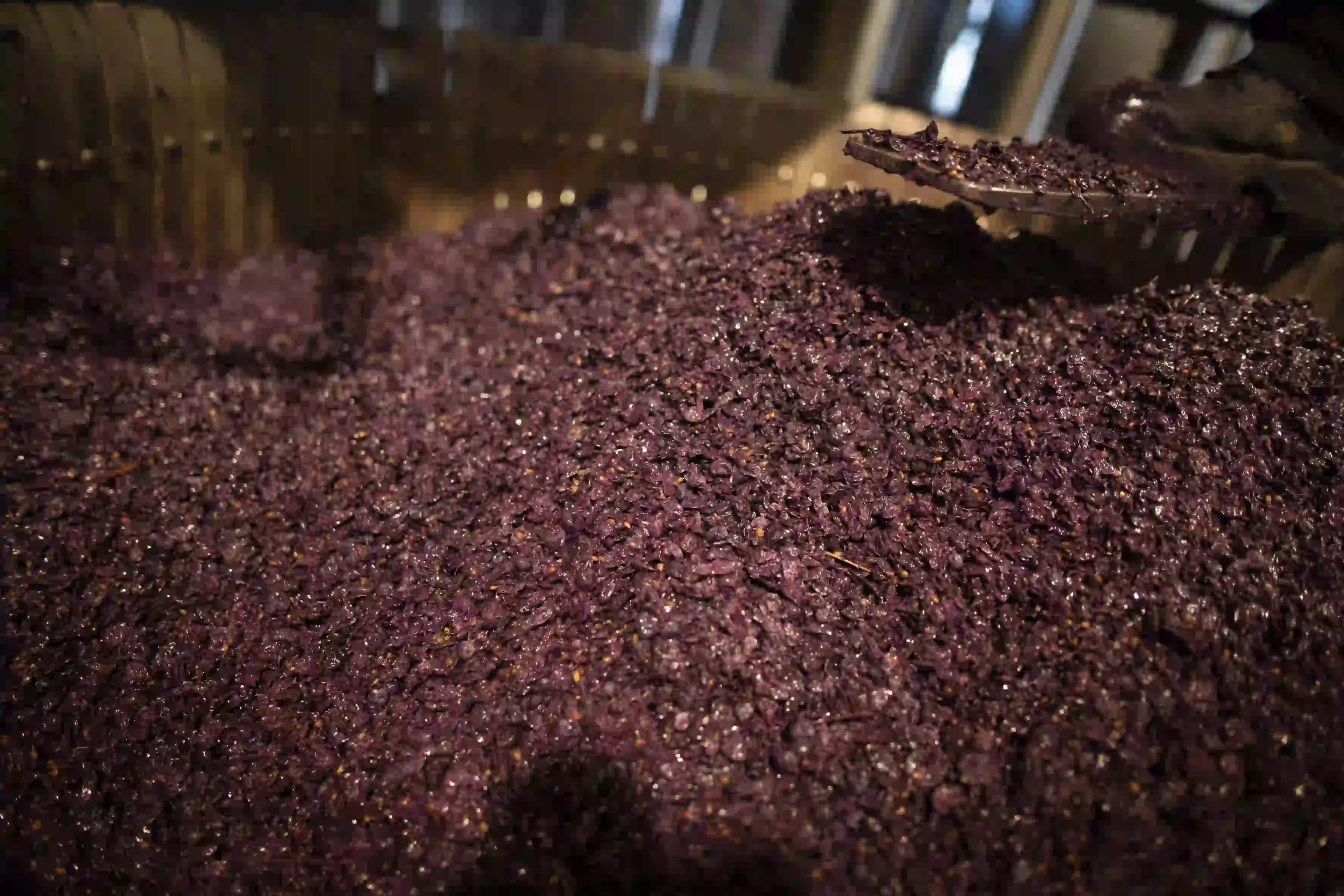
The wines of Bodegas Muñana, produced at an altitude of over 1,100 meters in the foothills of Sierra Nevada, have a profile that makes them especially suitable to accompany Andalusian cuisine in all its diversity:
High natural acidity: Cleanses the palate after eating fried foods, sausages, and fatty dishes
Mountain freshness: It contrasts with the hot and spicy dishes of the indoor kitchen
Aromas of herbs and Mediterranean scrubland: They connect with the aromatic ingredients of Granada's cuisine (thyme, rosemary, bay leaf)
Lightweight structure: High-altitude red wines have body but are not overwhelming, making them versatile throughout a meal.
To better understand why altitude so profoundly influences the character of these wines, we recommend our article on What is wine terroir?where we explain how the soil, climate and altitude of Sierra Nevada are expressed in each bottle.
Andalusian cuisine is so rich and diverse that there isn't a single wine that can do it all. But there is a region—Sierra Nevada, Granada—that produces wines with the versatility, freshness, and character needed to accompany everything from gazpacho to oxtail stew, from garlic shrimp to lamb with Moorish spices.
At Bodegas Muñana, we have spent decades working to ensure that each bottle is a true reflection of this unique land. Discover it in our online wine shop Or visit us in person for an experience of Wine tourism in Granada that you won't forget.
 Spanish Spanish
 English
 Chinese
Puedes realizar tus pedidos con normalidad hasta el 31 de julio.
Durante estas fechas no será posible tramitar pedidos. Volveremos a estar operativos el 16 de agosto.