



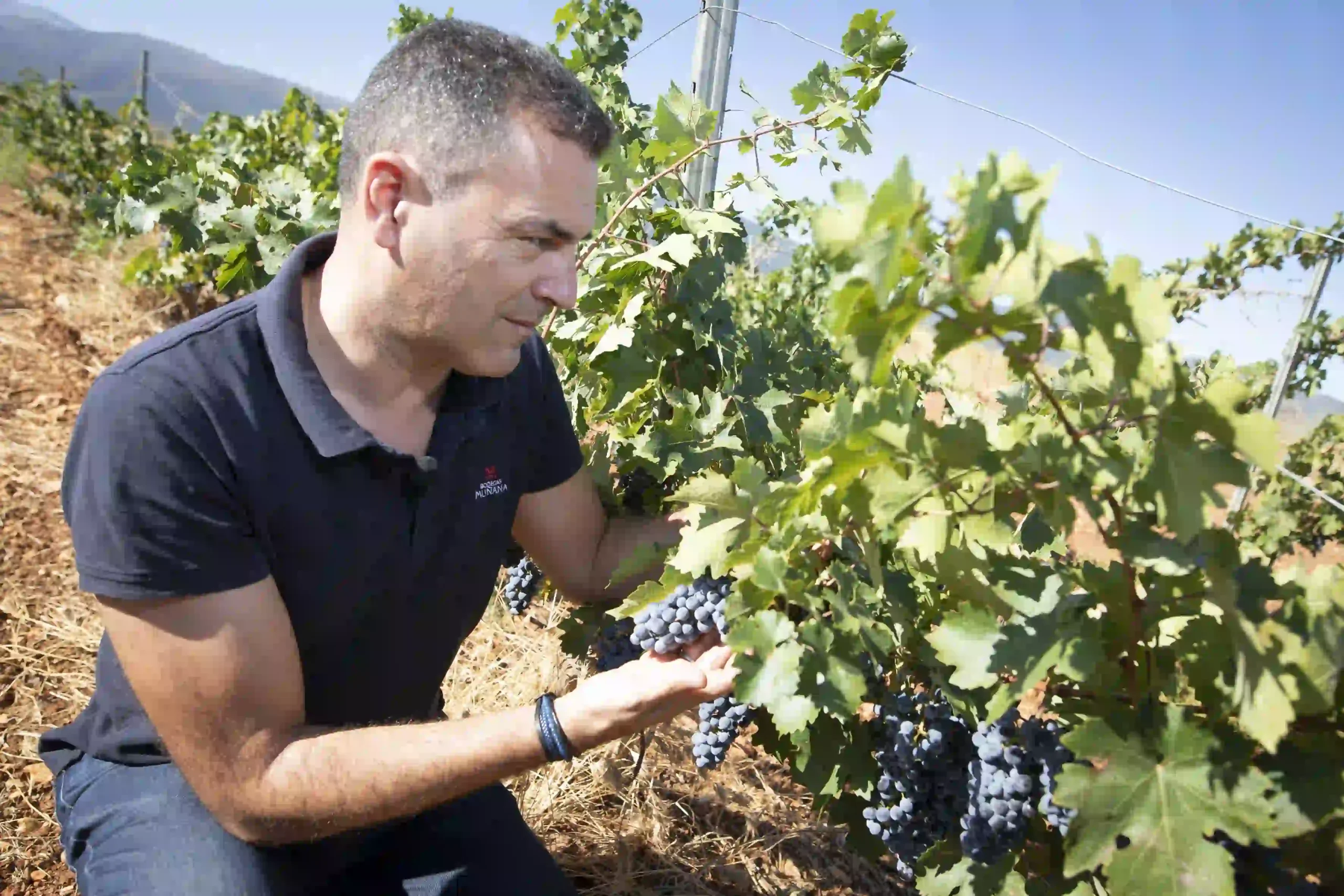
You take a sip of young red wine and notice something that goes beyond the flavor: a sensation of dryness, of roughness, as if the wine were gently "biting" the inside of your cheeks and gums. The proteins in your saliva react, and your mouth becomes momentarily dry, almost rough, before the wine's fruitiness reasserts itself.
That's what they are. tanninsAnd they are probably the component of wine that generates the most confusion among enthusiasts: are they a defect? a sign of quality? should they be sought after or avoided? why do some red wines have smooth and silky ones and others have aggressive and relentless ones?
This guide answers all of that with rigor and clarity, from basic chemistry to practical cupping experience.
Tannins are polyphenolic compounds —large molecules belonging to the polyphenol family— with a unique chemical characteristic: they have high affinity for proteinsWhen they come into contact with salivary proteins, they bind to them, forming complexes that precipitate, temporarily reducing saliva's lubricating capacity. The result is the sensation of dryness and astringency we perceive in the mouth.
This property—that of precipitating proteins—is also what makes tannins so useful in the leather industry (hence their name: tannins are made of leather). tanning(the process of tanning hides with plant extracts). And it is the same property that makes them so important in the evolution of wine: in the bottle, tannins polymerize (join together forming longer chains) and precipitate as sediment, gradually losing their astringent capacity and becoming softer and silkier.
The tannins in wine come from two main sources: the grape and the wood.
Red grapes have tannins in three distinct parts, with very different profiles from each other:
The skins (husks)
They are the primary source of tannins in red wines. Skin tannins are relatively soft and short-chain, with good integration and evolution over time. They are primarily responsible for the tannic structure of red wines and their aging potential.
The amount of tannins in the skin depends on the variety (thick-skinned varieties like Cabernet Sauvignon or Tannat have much more than thin-skinned varieties like Pinot Noir), the climate (more heat = more tannins) and the ripeness of the grape at harvest.
The seeds
The seeds contain a significant amount of tannins, but of a very different type: more aggressive, more bitter, and more astringent than those from the skin, especially when they are not fully ripe. Green seed tannins are responsible for the harsher, more astringent sensations in wines made from unripe grapes or in wines produced with excessive mechanical extraction that crushes the seeds.
When grapes are fully ripe, the tannins in the seeds soften and become much less aggressive. The tannic maturity of the seeds is one of the most important criteria winemakers use to determine the optimal harvest time, sometimes even more crucial than the sugar level.
The scrapes (scrapes)
The stems—the woody structure of the grape cluster—contain very green, herbaceous, and aggressive tannins when unripe. Historically, the stems were almost universally removed in the production of quality red wines to avoid this harshness. However, in recent years there has been a resurgence in the partial or total use of the stems in fermentation (whole grain fermentation or with a scratch), especially in Burgundy and among winemakers of the "naturalist" school.
When the grape stem is fully mature and lignified, its tannins can provide structure and complexity without adding greenness or harshness, although this technique requires specific climatic conditions and great technical skill.
Aging in oak barrels provides a second source of tannins to the wine: the ellagic tannins derived from oak wood. They are long-chain tannins, soft and slow to integrate, which gradually dissolve into the wine during aging.
Oak tannins contribute to the structure of the wine and its aging potential, but unlike grape tannins, they also contribute aromas: vanilla, cedar, coconut, toast, spices (cinnamon, clove), depending on the type of oak (French or American) and the level of toasting of the barrel.
The oak French It contributes finer and more elegant tannins, with less extraction of wood aromas; oak American It provides more generous tannins and more pronounced aromas of coconut, vanilla, and sweet spices.
As we explained in our article on the winemaking processes at Bodegas MuñanaBarrel aging is one of the most important technical decisions for the winemaker, and the type and time of barrel largely determines the final tannic profile of the wine.
Not all tannins are the same in the glass. Tasters use a wide vocabulary to describe a wine's tannic profile:
A velvety or silky sensation on the palate. The astringency is barely perceptible; the wine glides smoothly across the palate. This is typical of thin-skinned varieties (Pinot Noir, Garnacha), of long-aged wines where the tannins have polymerized and softened, or of wines crafted with great care in the extraction process.
Slightly more prominent than the silky notes, but perfectly integrated. They are perceived as structure, not harshness. The wine's fruit envelops and softens them. Typical of well-made, medium-to-late ripe varieties (Merlot, ripe Tempranillo, high-altitude Syrah).
A clearly perceptible tannic presence, with a certain astringency that is not unpleasant. This is a sign of a young red wine with great structure and aging potential. Young Cabernet Sauvignon and Nebbiolo are the paradigmatic example: firm tannins that soften with time and/or decanting.
The astringency is dominant and unpleasant. The mouth feels dry and rough. This is a sign of unripe grapes (green seed tannins), excessive maceration, or insufficient winemaking. It is the least desirable tannic expression.
A sandy or grainy texture in the mouth, as if there were fine dust. This is a sign of very ripe but poorly integrated tannins, or of very old wines whose tannic structure has partially disintegrated. It differs from the dryness of green tannins: it's more a matter of texture than aggressiveness.
Tannins, along with acidity, are the most determining factor of aging potential of a red wine. The reason is twofold:
Tannins are compounds with high antioxidant activity: they react with the oxygen that slowly enters the bottle through the cork, "consuming" it before it can oxidize the wine's more fragile components (fruit, aromas, color). In a sense, they are the wine's "shield" against premature oxidation.
A wine with few tannins has less antioxidant protection and ages more quickly—and less well—than one with a high tannin concentration. That's why white wines, with virtually no tannins, are generally consumed more quickly than rich, tannic reds.
With time in the bottle, the tannins polymerizeThe individual molecules bond together, forming increasingly longer chains. These polymerized chains have less affinity for salivary proteins, producing less astringency. The wine literally becomes smoother over time.
The larger tannic polymers eventually precipitate as sediment at the bottom of the bottle —that dark-colored deposit that appears in long-aged red wines— which is a sign of natural aging and not a defect.
This process explains why a great young Cabernet Sauvignon or Barolo—with firm and almost aggressive tannins in its youth—is transformed after 10, 15, or 20 years in the bottle into wines of extraordinary silkiness and complexity: the same tannins that made the wine difficult in its youth are the ones that have protected its fruit and aromas for decades, and which now, softened by polymerization, contribute to that texture of ancient velvet that is the signature of great mature wines.
High mountain vineyards like those of Bodegas Muñana produce tannins with a specific profile that differentiates them from wines from low and warm areas:
Slower ripening = better tannic maturity
The more gradual ripening afforded by the altitude of the Sierra Nevada allows the skin and seed tannins to reach a more complete and homogeneous maturity before harvest. The grapes arrive at the winery with ripe, not green, tannins, resulting in wines with structure but without aggression.
Low nighttime temperatures = greater synthesis of polyphenols
The thermal stress of cold nights stimulates the synthesis of phenolic compounds—including tannins—in grapes as a defense mechanism. Wines from high mountain regions tend to have a higher polyphenol concentration than those from warmer areas, which contributes both to their aging potential and to the complexity of their profile in the glass.
Less need for aggressive extraction
When the grapes have ripe, well-formed tannins, the winemaker doesn't need to resort to long macerations or aggressive extraction techniques to achieve the desired structure. The quality of the raw material allows for minimal intervention winemaking that preserves the finesse and elegance of the natural tannic profile.
Each variety has its own tannic profile, resulting from the genetics of the strain and its adaptation to the climate:
Optimal ripeness at harvest
The first and most important factor. A perfectly ripe grape has both seed and skin tannins at their best: ripe, smooth, and supple. The decision of when to harvest is the most critical for the wine's tannic profile.
Maceration control
Shorter maceration time means less tannin extraction. Winemakers adjust the duration and temperature of maceration according to the desired tannic profile. For the wines in the Muñana 1188 range—designed for aging—the goal is complete but gentle tannin extraction.
Barrel aging
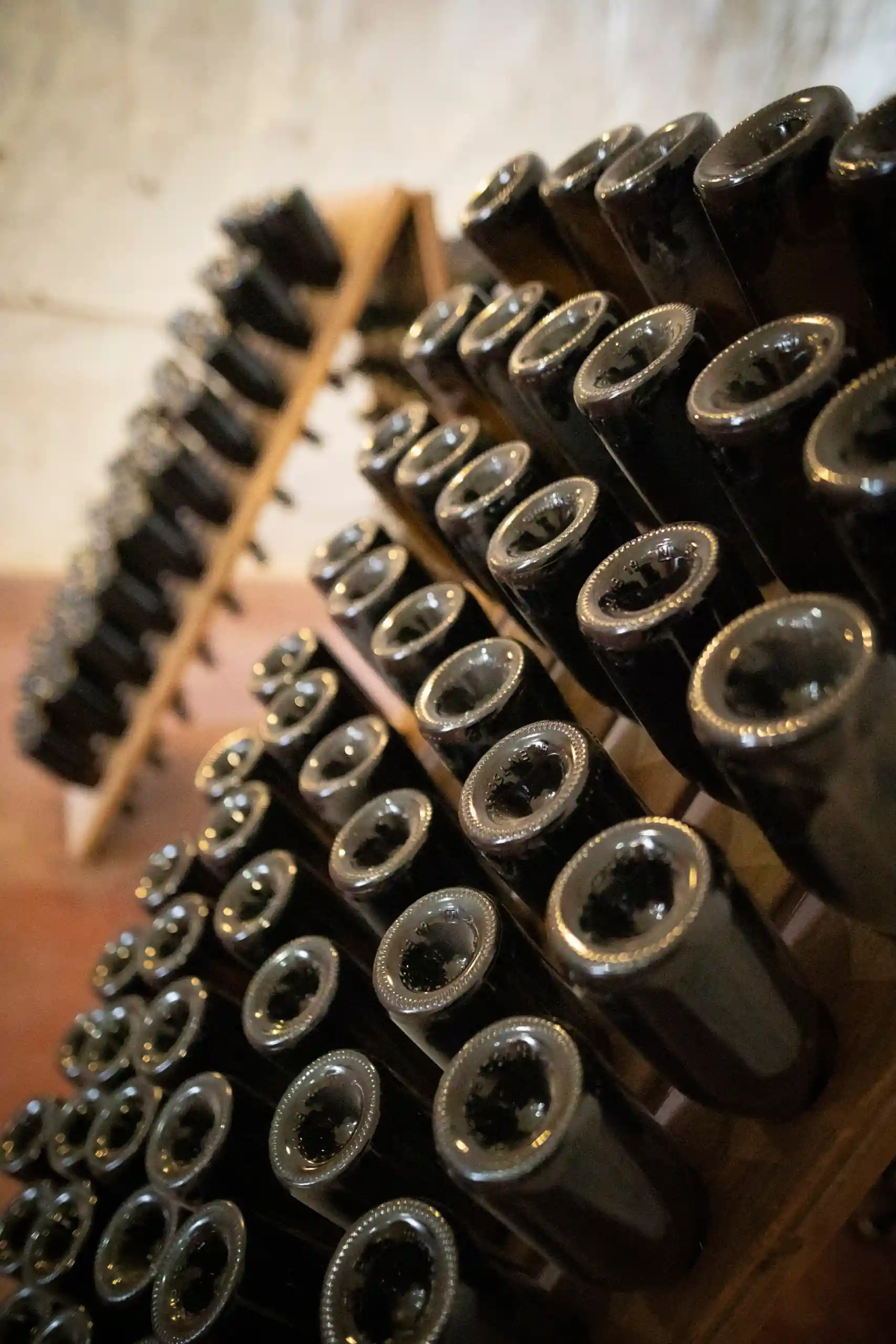
The micro-oxygenation provided by the barrel promotes the polymerization of tannins, gradually softening them during aging. Furthermore, the tannins from the wood integrate with the tannins from the grapes, adding complexity and smoothness.
Controlled remounts and pigeages
The way the cap (the skins floating on top of the fermenting must) is managed determines the intensity of the extraction. A winemaker seeking fine, elegant tannins will opt for gentle, frequent pump-overs rather than aggressive pigeage.
Decantation
For young red wines with firm tannins, decanting—exposure to oxygen for 30–60 minutes before serving—accelerates the micro-oxidation of the tannins, noticeably softening them. As we detail in our guide on how to choose a wine glassSwirling the wine in the glass also contributes to this micro-oxygenation process.
Pairing with proteins
Tannins bind to proteins. When there is protein in food (meats, aged cheeses, legumes), the tannins "attach" to it instead of to the proteins in saliva, reducing the sensation of astringency in the mouth. That's why the classic pairing of tannic red wines with red meat is not just a tradition: it's chemistry.
Serving temperature
Cold temperatures intensify the perception of tannins (making them harsher and more aggressive); warmth softens them. A full-bodied red wine should be served at its optimal temperature (16-18°C) so that the tannins can express themselves at their best: present but integrated.
Wine tannins are part of the tannin family. polyphenolsCompounds with scientifically studied antioxidant activity. resveratrol, which we discussed in our article about What is resveratrol in wine?It is the most studied polyphenol in wine, but tannins—particularly the procyanidins— they also have relevant antioxidant properties at the doses present in moderate consumption of red wine.
However, as we emphasized in our article on the health benefits of wineWine is neither a functional food nor a supplement: the scientific evidence regarding the specific benefits of wine polyphenols remains debated, and alcohol consumption carries risks that should not be ignored. The best reason to drink wine remains pleasure, not health.
Tannins are the dimension of wine that speaks most of time: the time it took for the grapes to ripen in the vineyard, the time the wine spent in the barrel, the time it has spent in the bottle, and the time it has yet to age. A red wine with a strong tannic structure is not a difficult wine; it is a wine that has not yet reached its full potential, that is on its way to becoming what it will be when the years have done their work.
Understanding tannins means understanding that wine is a living, evolving entity, with a childhood, maturity, and old age, and that patience is part of the pleasure. The next time you notice that dryness in your mouth with a young red from Sierra Nevada, don't dismiss it: listen to it. It's telling you that this wine still has much to offer.
Explore the red wines of Bodegas Muñana —from the accessible Muñana Red up to the complex Muñana Petit Verdot— in our online wine shop and discover the full tannic spectrum of Sierra Nevada.
 Spanish Spanish
 English
 Chinese
Puedes realizar tus pedidos con normalidad hasta el 31 de julio.
Durante estas fechas no será posible tramitar pedidos. Volveremos a estar operativos el 16 de agosto.