



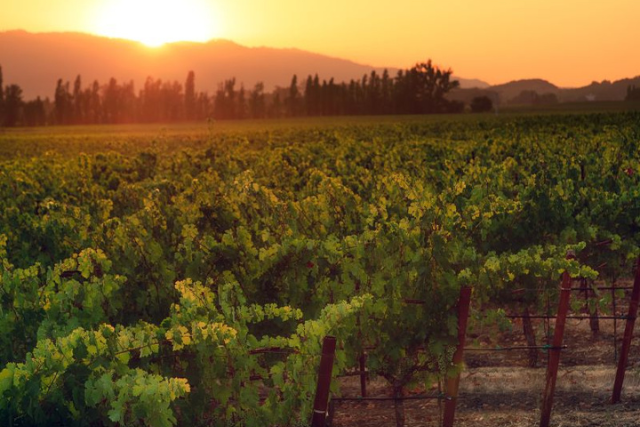
Every time you open a bottle of wine, there's a vineyard behind it. And behind that vineyard, there's a way of working the land that can be more or less respectful of the environment, more or less sustainable over time, more or less aware that the soil that produces those grapes today has to continue producing them in fifty, in a hundred years.
The sustainable viticulture It's not a fad or a marketing label. It's a working philosophy that is quietly transforming the way the world's best winemakers care for their vineyards, based on the conviction that the highest wine quality and respect for the ecosystem are not opposing goals, but rather the same goal seen from two different perspectives.
Sustainable viticulture is a set of agricultural, oenological and business practices who seek to produce grapes and wine of the highest quality while minimizing environmental impact, preserving the health of the soil and the ecosystem in the long term, and ensuring the economic and social viability of wine-growing activity.
Unlike organic or biodynamic farming, sustainable viticulture It is not regulated by a single, universal certificationIt is a broader and more flexible concept that integrates multiple dimensions:
Environmental: Reduce the use of pesticides, preserve biodiversity, manage water efficiently, reduce the carbon footprint
Economic: To ensure long-term profitability so that the winery and vineyard can continue to exist
Social: Respect the people who work in the vineyard and winery, and contribute positively to the local community.
This three-dimensional approach is what distinguishes sustainability from a simple environmental criterion: a truly sustainable vineyard not only takes care of the soil, it also takes care of the people and takes care of the business that makes it possible to continue taking care of the soil.
It is common to confuse these three terms, but they have important differences that are worth knowing:
In practice, many wineries that operate organically or biodynamically also describe themselves as sustainable. And many sustainable wineries apply practices very similar to organic ones without having formally obtained certification, either due to cost, operational flexibility, or because their vineyards already meet the criteria without needing the label.
The soil is not just an inert support for the roots of the vine. It is a living ecosystem that harbors millions of microorganisms, fungi, bacteria, and invertebrates that work in synergy to decompose organic matter, fix nitrogen, regulate moisture, and make minerals accessible to plants.
Intensive conventional viticulture, with herbicides and frequent tillage, progressively destroys this microbial life and compacts the soil, creating a growing dependence on external synthetic fertilizers to compensate for the loss of natural fertility.
Sustainable viticulture works in the opposite direction:
Plant cover between rows: Instead of removing all vegetation between the vines with herbicides, plant cover is maintained or sown that protects the soil from erosion, attracts beneficial insects, fixes nitrogen, and feeds the soil's microbial life.
Composting and organic fertilizers: The organic matter in compost feeds the microbial ecosystem and improves soil structure in the long term, without the artificial nutrient spikes of synthetic fertilizers.
Reduction or elimination of deep tillage: Intensive mechanical tillage destroys soil structure and the network of mycorrhizal fungi that help vine roots access minerals and water. Sustainable viticulture tends to reduce this tillage or replace it with gentler techniques.
Rotation and diversity: Introducing plant diversity in and around the vineyard—aromatic plants, flowers, fruit trees—creates a more resilient ecosystem and reduces the pressure from pests and diseases.
In Mediterranean regions like Andalusia, water is the most critical and scarce resource. Sustainable viticulture applies water management criteria that go beyond simple efficient irrigation:
Precision irrigation: Soil moisture sensors and plant water status analysis allow watering only when necessary, in the right amount, avoiding both excessive water stress and waste.
Collection and reuse: Rainwater harvesting systems, reuse of treated winery water for irrigation, and reduction of water consumption in winemaking processes
Altitude as a natural ally: In the vineyards of Bodegas Muñana, the altitude of the Sierra Nevada mountains modifies rainfall patterns and runoff, while lower temperatures reduce evapotranspiration. As a result, our vineyards require significantly less water than those in lower-lying areas to produce grapes of equivalent quality.
Controlling diseases and pests—powdery mildew, downy mildew, botrytis, grape berry moth—is one of the biggest challenges in viticulture and the area where the environmental impact can be most significant if synthetic pesticides are used indiscriminately.
Sustainable viticulture does not mean eliminating all treatments, but Apply them precisely, only when necessary, and preferably with products that have a low environmental impact.:
Continuous monitoring: Regular observation of the vineyard and the use of pheromone traps and weather stations make it possible to anticipate the risk of disease and act preventively with milder treatments before the pressure becomes high.
Low-impact products: Sulfur and copper (also authorized in organic farming), clay preparations, plant extracts, antagonistic fungi… the range of alternatives to synthetic fungicides is increasingly broad and effective
Reduction in treatments due to natural conditions: In high-altitude vineyards like those in Sierra Nevada, the lower relative humidity, greater ventilation, and lower temperatures naturally reduce the pressure of fungi and fungal diseases, allowing for a significantly lower number of treatments than in low-lying, humid areas.
A monoculture vineyard, with no vegetation other than the vines, is an impoverished and fragile ecosystem. Sustainable viticulture seeks to integrate the vineyard into its natural environment, transforming it into a space of biodiversity.
Hedges and vegetated borders: Strips of natural vegetation along the edges of the vineyard act as a refuge for beneficial fauna (birds of prey, bats, beneficial insects) and as a barrier against pests
Wildlife integration: Some sustainable winegrowers introduce sheep to graze among the vines outside of the growing season, naturally removing the weeds and providing organic fertilizer; chickens for insect control; and beehives for pollination.
Variety in the vineyard: Planting different grape varieties in the same vineyard, respecting old vines of local varieties, maintaining small stands of other species… all of this adds to genetic diversity and resilience.
At Bodegas Muñana vineyards, the location in the foothills of the Sierra Nevada—one of the most biodiverse protected natural areas in Europe—already guarantees an environment of high ecological richness. Our responsibility is to ensure that our cultivation practices are worthy of this privileged environment.
Sustainability in the vineyard doesn't end at the winery door. The winemaking process, bottling, transport, and packaging also have an environmental impact that the most committed wineries actively work to reduce.
Renewable energies: Installation of solar panels, use of geothermal or wind energy for the needs of the winery
Packaging efficiency: Lighter bottles (reducing transport weight), recycled cardboard boxes, elimination of unnecessary plastic packaging
Efficient transportation: Grouping of shipments, preference for land transport over air transport, proximity to the main market as a distribution criterion
Circular economy in the winery: Composting of grape pomace (skins and seeds), reuse of wine lees, utilization of fermentation CO₂
One of the less visible aspects of mountain viticulture is that altitude is, in itself, a factor of natural sustainability. High-altitude vineyards like those of Bodegas Muñana, located at over 1,100 meters in the Sierra Nevada mountains, have structural advantages over vineyards in lower areas:
Lower pressure from fungal diseases: Lower temperatures and reduced relative humidity decrease the number of plant protection treatments needed per season
Reduced need for irrigation: Altitude moderates maximum temperatures and reduces evapotranspiration, decreasing water consumption.
More vibrant soils: Mountain soils, less subjected to the intensive agricultural pressure of traditional production areas, generally retain a greater microbial richness.
Environmental biodiversity: The integration into a protected natural space like Sierra Nevada surrounds the vineyard with a rich ecosystem that facilitates the biological balance of the crop.
This relationship between altitude and sustainability is directly linked to what we explained in our article on What is wine terroir?The place where the grapes grow is not just a geographical origin; it is a set of conditions that determine both the quality of the wine and the most appropriate and responsible way to work that vineyard.
Many wineries that work sustainably decide at some point to formalize that commitment by obtaining the organic farming certification, the standard most recognized by the consumer and the most legally regulated.
In the EU, a wine can bear the official organic farming label if:
They have been respected for a 3-year conversion period without using prohibited products
Only the authorized plant protection products and fertilizers in the European Organic Production Regulation
The lower limits of SO₂ established for organic wines (100 mg/l for reds, 150 mg/l for whites and rosés)
The winery and the winemaking process also meet ecological criteria.
Como explicamos en nuestro artículo sobre What are sulfites in wine?Organic wines are not free of sulfites, but they do have lower maximum limits than conventional wines, reflecting the principle of minimal intervention in the winery as well.
The biodynamic viticulture It takes the principles of sustainability and organic farming a step further, incorporating a holistic view of the vineyard as a living organism integrated into broader cosmic and natural rhythms.
Its foundations can be traced back to the lectures of the Austrian philosopher Rudolf Steiner In 1924, he developed the principles of biodynamic agriculture as a response to the soil depletion he was already observing in interwar Europe.
The distinctive elements of biodynamics in viticulture include:
Biodynamic preparations: Specific applications of compost enriched with medicinal plants (nettle, valerian, yarrow…) and minerals (quartz horn, manure horn) in homeopathic doses
Lunar calendar: Interventions in the vineyard—pruning, treatments, harvesting, racking of the wine—are planned according to the phases of the moon and the biodynamic calendar, differentiating between root, flower, fruit and leaf days
Vineyard self-sufficiency: Ideally, the vineyard should generate all the inputs it needs internally, minimizing external inputs as much as possible.
Overview: The vineyard, the winery, the animals, the vegetable garden, and the people who work in them are understood as a single, interdependent organism.
The most recognized certifications are Demeter (international) and Biodiversity (specific to wineries). Some of the world's most sought-after wines—Romanée-Conti, Coulée de Serrant, Huet—are biodynamic, which has greatly contributed to the prestige of this practice.
In the store or restaurant, some indicators will guide you:
EU organic farming label (green leaf with stars): Official guarantee of certified organic production
Demeter or Biodyvin certification: Guarantee of certified biodynamic viticulture
Mention "no added sulfites": It doesn't imply sustainability, but it does imply minimal intervention in the winery.
Declaration of practices on the winery's website: Wineries that are committed to this openly communicate their work philosophy; if you can't find the information, you can ask directly.
Small, artisanal wineries with their own vineyards: Como explicamos en nuestro artículo sobre signature winesSmall wineries with their own vineyards and a minimal intervention philosophy tend to work more sustainably by definition, although they do not always have formal certification.
This statement might seem subjective or biased, but it has a solid technical basis. Wines from sustainable viticulture tend to be of higher quality for reasons directly related to cultivation practices:
More vibrant soils = deeper roots = greater mineral complexity: The active soil microbial ecosystem facilitates the absorption of trace minerals that are expressed as complexity and minerality in the wine
Lower output per decision = more concentration: Sustainable viticulture prioritizes quality over quantity, producing fewer grapes per vine but of greater intensity and richness.
Healthier grapes = fewer corrections = more terroir: Grapes harvested in perfect health require less intervention in the winery, allowing the terroir to express itself without filters.
It's the same logic that guides the winemaking process at Bodegas Muñana: that the origin—the vineyards of Sierra Nevada, the mineral soil, the altitude, the temperature range—speaks in the glass without unnecessary interference. For this to happen, the work in the vineyard must be as meticulous and respectful as the work in the winery.
If you're interested in discovering firsthand how we work our vineyards, we invite you to our wine tourism visit in Granada, where we show firsthand the relationship between the Sierra Nevada landscape, our winemaking practices and what will end up in your glass.
Sustainable viticulture is neither the easiest nor the cheapest path. It requires more observation, more knowledge, more manual labor, and more patience than conventional agriculture. But it produces more resilient vineyards, more vibrant soils, grapes of greater complexity, and wines that express their origin with a clarity that intensive viticulture can never achieve.
And above all, it guarantees that the vineyards that produce these grapes today will continue to do so for future generations. That the soil that has been producing wine for centuries on the slopes of the Sierra Nevada will continue to do so when none of us are here to see it.
That's what we at Bodegas Muñana mean by doing things right: not only making the best possible wine today, but ensuring that the place where it grows will continue to be capable of doing so tomorrow. Explore our full range at the online wine shop and see in the glass the result of working the land with that respect.
 Spanish Spanish
 English
 Chinese
Puedes realizar tus pedidos con normalidad hasta el 31 de julio.
Durante estas fechas no será posible tramitar pedidos. Volveremos a estar operativos el 16 de agosto.