


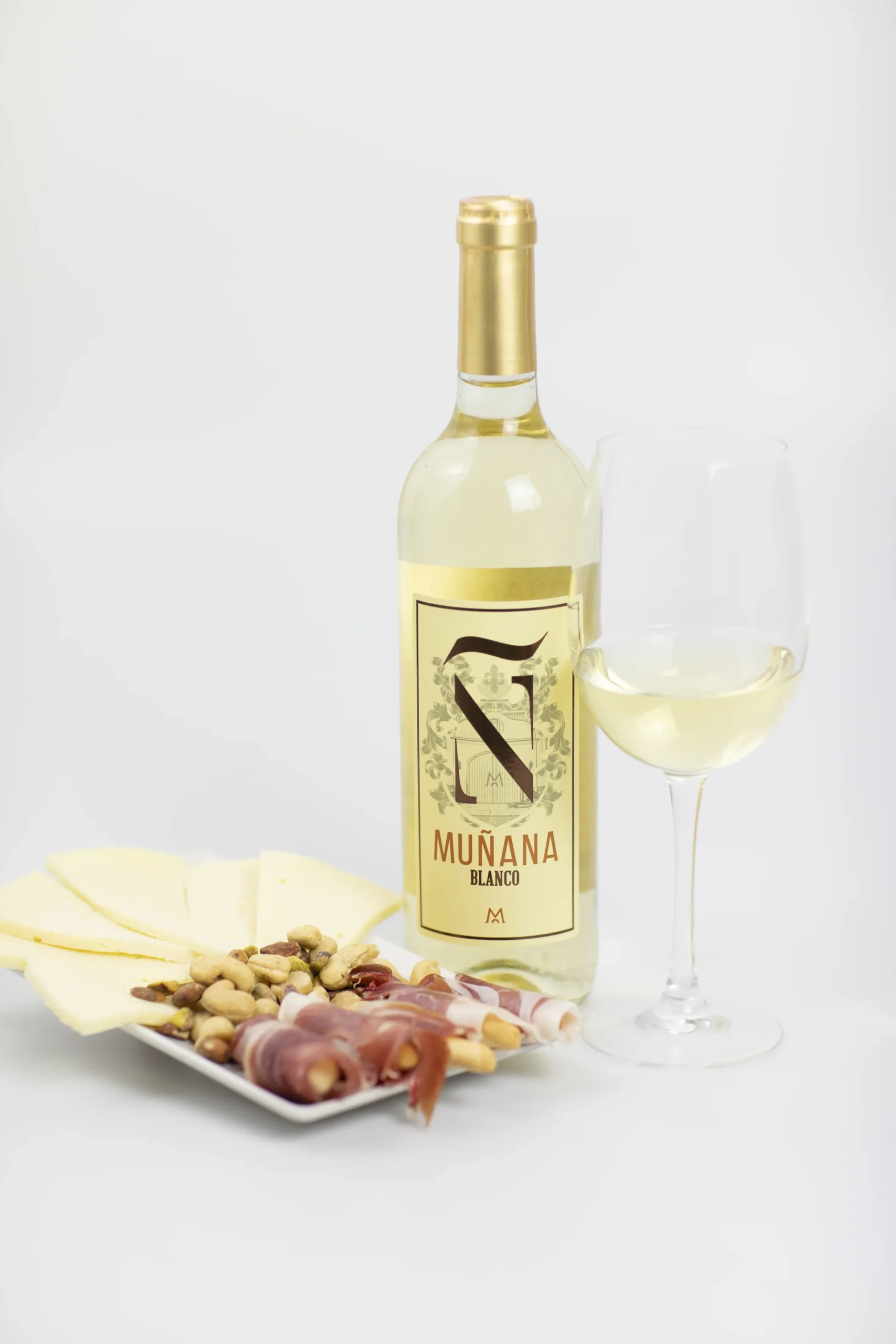
Tapas are one of Spain's most authentic culinary rituals, and Granada is undoubtedly one of its undisputed capitals. The tradition of receiving a free tapa with each glass of wine—a custom that remains alive in Granada when it has disappeared in most other Spanish cities—transforms the act of enjoying a glass of wine into a complete, social, and pleasurable gastronomic experience.
But tapas presents a clear wine challenge: in a single afternoon, you can go from a slice of Iberian ham to cod croquettes, then to a slice of Spanish omelet, and finish with marinated anchovies. The variety of flavors, textures, and temperatures is enormous. What wine can accompany this entire journey without ever feeling out of place?
The perfect wine for tapas isn't the most complex or the most powerful: it's the most versatileA wine that works well with changing flavors needs to have these characteristics:
Medium-high acidity: Cleanse your palate between each bite, preparing it for the next flavor
Soft or non-existent tannins: The very pronounced tannins clash with many typical tapas ingredients (vinegar, capers, lemon, fish)
Fresh and non-invasive aromas: The wine should complement, not compete with, the tapa.
Serve at a cold temperature: Both white wines (7-10 °C) and rosé wines (8-10 °C) and young red wines (14-16 °C) benefit greatly when served well chilled in the context of tapas.
With this profile in mind, the great allies of tapas are the young white wines, the pinks with character and the Brut sparkling winesBut there are fascinating exceptions, and we'll explore them one by one here.
Iberian ham, cured pork loin, chorizo, and black pudding are the starting point for many tapas. Intense flavors, fine fats, and elegant saltiness.
Iberian acorn-fed ham → The most surprising pairing is with a espumante Brut NatureThe fine bubbles cut through the richness, and the dried fruit and oxidative notes of the sparkling wine complement the acorn flavor of the ham. A full-bodied white wine or a very fresh, slightly chilled young red wine also works very well.
Cured pork loin → Young and fruity red wine, without oak aging: the fresh fruit complements the aging without overpowering it
Iberian chorizo → A red wine with a bit more structure, Syrah or young Tempranillo: the paprika and fat call for a wine with enough body to avoid falling short
Black pudding → A red wine with character, Cabernet Sauvignon or Petit Verdot: the intensity of the black pudding needs a wine with equal personality
💡 Star pairing: He Muñana 1188 Brut Nature Paired with acorn-fed Iberian ham, this combination always surprises on our wine tourism visits. The acidity of our vineyards in the Sierra Nevada mountains, at over 1,100 meters, creates fine, persistent bubbles that elevate the flavor of the ham to another level.
Fish tapas —anchovies, prawns, fried cuttlefish, marinated dogfish, octopus— are perhaps the most common in Andalusian tapas and those that best match white and sparkling wines.
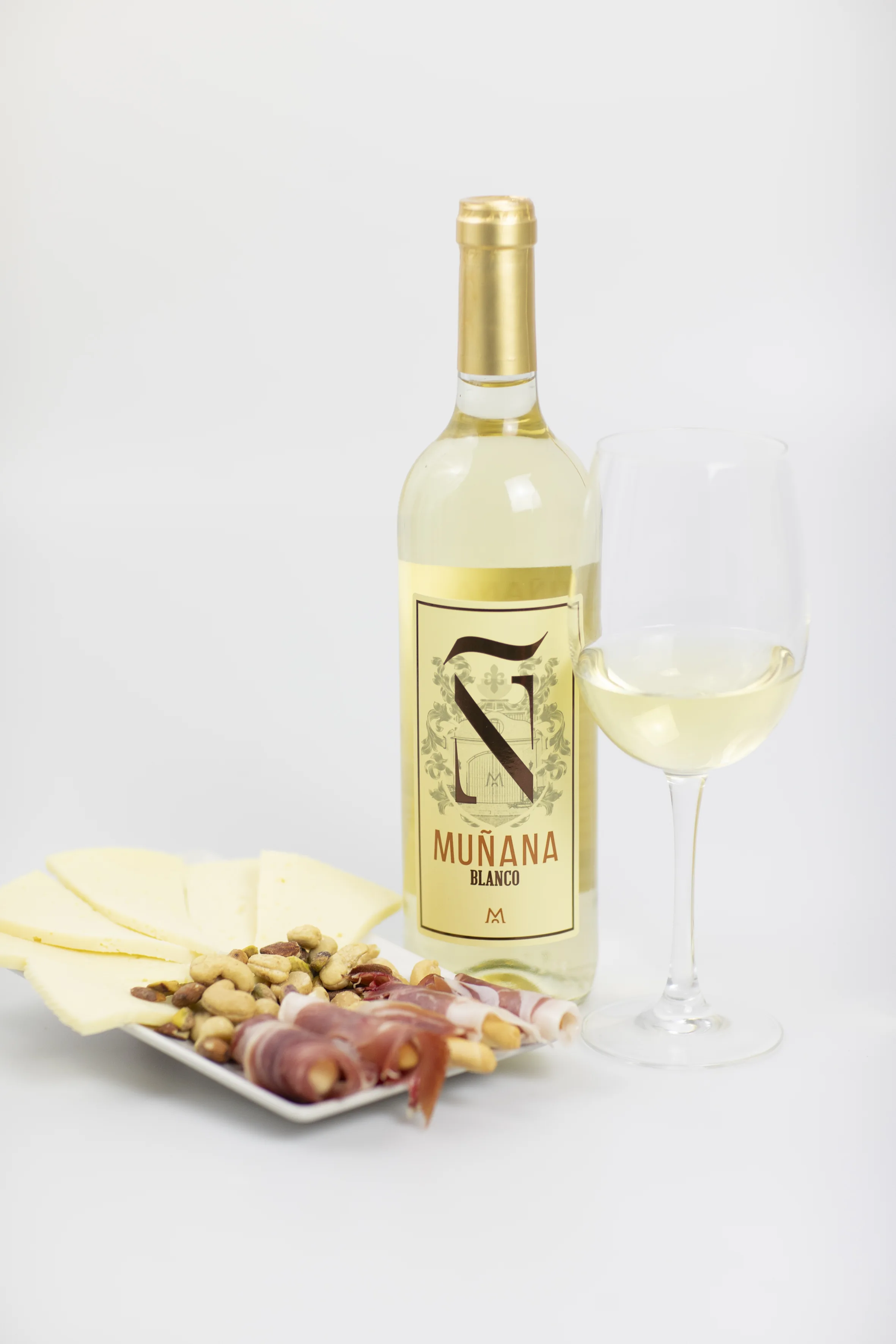
Anchovies in vinegar Vinegar is wine's worst enemy: it neutralizes almost everything. The best option is a very dry and mineral sparkling wine or a high-acidity white wine that doesn't succumb to acetic acid. Muñana White It holds up perfectly when ice cold.
Garlic prawns → Young white wine with citrus and herbaceous notes: the garlic and olive oil need freshness to avoid overpowering the palate
Fried cuttlefish or squid → Fresh white or Brut sparkling wine: the acidity cleanses the batter and the salt enhances the wine's aromas
Marinated dogfish → The marinade (paprika, garlic, oregano) adds complexity; a full-bodied white wine or a fresh rosé are the best choices
Galician-style octopus → Mineral white with acidity: the texture of the octopus and the paprika call for a wine with tension and freshness
Cod or ham croquettes → Brut sparkling wine or young white wine: the bubbles and acidity cut through the béchamel sauce with elegance
The potato omelet is perhaps the most universal tapa in Spain, and its combination of egg, potato and olive oil creates a neutral and fatty flavor that goes well with a surprising variety of wines.
Classic potato omelet → A young and fresh white wine, a rosé, or even a very light and chilled red: its neutrality is a blank canvas that accepts almost any clean and fresh wine
Sacromonte Tortilla (with brains, broad beans and ham) → White with a bit more body or young red wine: the ingredients add complexity and call for a wine with more presence
Broken eggs with ham → A young, fruity red wine or a full-bodied rosé: the mixture of egg yolk, potato, and ham needs a wine that unites them all without overpowering them.
Mushroom scramble → White with earthy notes or light red: mushrooms have a natural affinity with wines that show notes of earth and forest
Marinated vegetables, pickles, and vegetable tapas are the most difficult to pair due to their acidity, variety of flavors, and frequent presence of vinegar.
Seasoned olives → Brut sparkling wine or very dry white wine: the salt and bitterness of the olive need a wine with acidity and bubbles to balance them
Piquillo peppers → Fresh rosé: the sweetness and mild spiciness of piquillo peppers find a perfect partner in rosé.
Banderillas and pickles → Very dry sparkling wine or high-acidity mineral white wine: as with anchovies in vinegar, vinegar is only countered with more acidity
Fried eggplant with honey → Semi-sweet rosé or aromatic white: the sweet-salty contrast of this Cordoban classic calls for a wine with some fruit and smoothness
Garlic mushrooms → Full-bodied white or light red wine: mushrooms and garlic have an affinity with wines that have earthy and herbaceous notes
Hot meat tapas — meatballs, kebabs, braised pork cheeks, meat in sauce — are the natural territory of red wine, but the choice matters.
Meatballs in tomato sauce → Young, fruity red wine: the tomato and minced meat call for a fresh red wine with enough acidity to balance the sauce
Pinchitos morunos → Young red or full-bodied rosé: the spices (cumin, turmeric, paprika) call for a wine that complements them without overpowering them.
Cheeks in red wine → Aged red wine: if the pork cheeks have been cooked with wine, the most logical choice is to serve a wine of similar character; a Muñana Roble It would be a natural choice.
Meat in sauce → Full-bodied red wine with some aging: the intensity of the sauce needs a wine with enough structure so as not to be overpowered
Mini hamburgers or sliders → Young red or powerful rosé: the informality of the dish calls for an equally approachable and straightforward wine
Granada is one of the few Spanish cities where tapas are still free with every drink. This system—which the locals defend fervently and visitors discover with amazement—has direct implications for food and drink pairings:
You don't choose the tapa: you choose the bar. The challenge is finding a wine that pairs well with whatever you order, whether it's ham, croquettes, patatas bravas, or Russian salad. That's why, in the specific context of tapas in Granada, the versatility of the wine is more important than ever.
The most popular wines for tapas in Granada are those that:
They are served very cold (white and rosé wines at 8-10 °C, young red wines at 14-16 °C)
They have lively acidity that acts as a bridge between very different flavors
They do not have pronounced tannins that clash with acidic or vegetable ingredients
They are expressive enough so as not to get lost in intense flavors, but without overpowering the more delicate ones
He Muñana Rosé It more than meets all these requirements. Its mountain vineyard freshness, vibrant color, and Andalusian character make it the quintessential Granada tapas wine: it goes well with ham, fried fish, croquettes, peppers… with almost anything you can put on the table.
One of the most common mistakes when serving tapas is serving wine at the wrong temperature. In a busy, hot bar, a glass that reaches 18-20°C loses all its appeal in minutes. Some tips:
Order the wine ice cold.Especially in summer: even young red wines benefit greatly when served at 14-16°C instead of the usual 18-20°C
It prefers long-stemmed cups to avoid warming the wine with your hand (more on this in our guide to types of wine glass)
Don't refill the cup before it's empty.Each sip should be at the correct temperature, not that of the wine that has been in the glass for 20 minutes.
Tapas isn't haute cuisine, although it can be. It's primarily a social event, a ritual of friendship and shared enjoyment where wine plays the central role. The wine for tapas should be easy to enjoy, versatile, fresh, and honest: it shouldn't complicate what should be simple.
At Bodegas Muñana, we craft wines with that underlying philosophy. Wines born in the high-altitude vineyards of Sierra Nevada, in Granada, with a freshness and vibrancy that make them perfect for everyday meals, for Friday tapas, and for those long after-dinner conversations that no one wants to end.
Explore our entire range at the online wine shop And if you want to experience it firsthand, come and meet us at our wine tourism visit in GranadaWe'll be waiting for you with a cold drink and a delicious tapa.
 Spanish Spanish
 English
 Chinese
Puedes realizar tus pedidos con normalidad hasta el 31 de julio.
Durante estas fechas no será posible tramitar pedidos. Volveremos a estar operativos el 16 de agosto.