



If you've ever heard a winemaker or sommelier talk about "terroir" and nodded without really knowing what it meant, you're not alone. It's perhaps the most used—and least explained—term in the world of wine. And yet, understanding it completely changes the way you enjoy a glass.
In short: the Terroir is the place where wine is bornIt's not just the soil, but the combination of natural factors—climate, altitude, orientation, geology, surrounding vegetation—that imprints on the grape a unique character impossible to replicate anywhere else on the planet. This is what makes two wines made with the same grapes and the same technique taste completely different if they come from different vineyards.
The term "terroir" comes from French earth (land) and was coined by Burgundy producers centuries ago to explain why adjacent plots of land just a few meters apart produced radically different wines. This French obsession with geographical origin gave rise to the system of Appellation of Controlled Origin (AOC), which protects and certifies the origin of the world's most renowned wines.
Today, the concept is applied globally. From the volcanic vineyards of the Azores to the slopes of the Argentine Andes, each wine region has its own terroir, and the world's best producers work to express it as faithfully as possible in the bottle.
It is the most visible element of the terroir and one of the most influential. The chemical and physical composition of the soil determines which nutrients the vine absorbs, how it retains or drains water, and which minerals ultimately reach the grapes.
Clay soils: They retain water well, producing full-bodied wines with intense color
Calcareous soils: They drain quickly and contribute minerality and acidity to the wine
Granitic soils: They produce elegant, fresh wines with very characteristic mineral notes
Volcanic soils: They produce wines with a unique, saline and profound minerality, difficult to imitate.
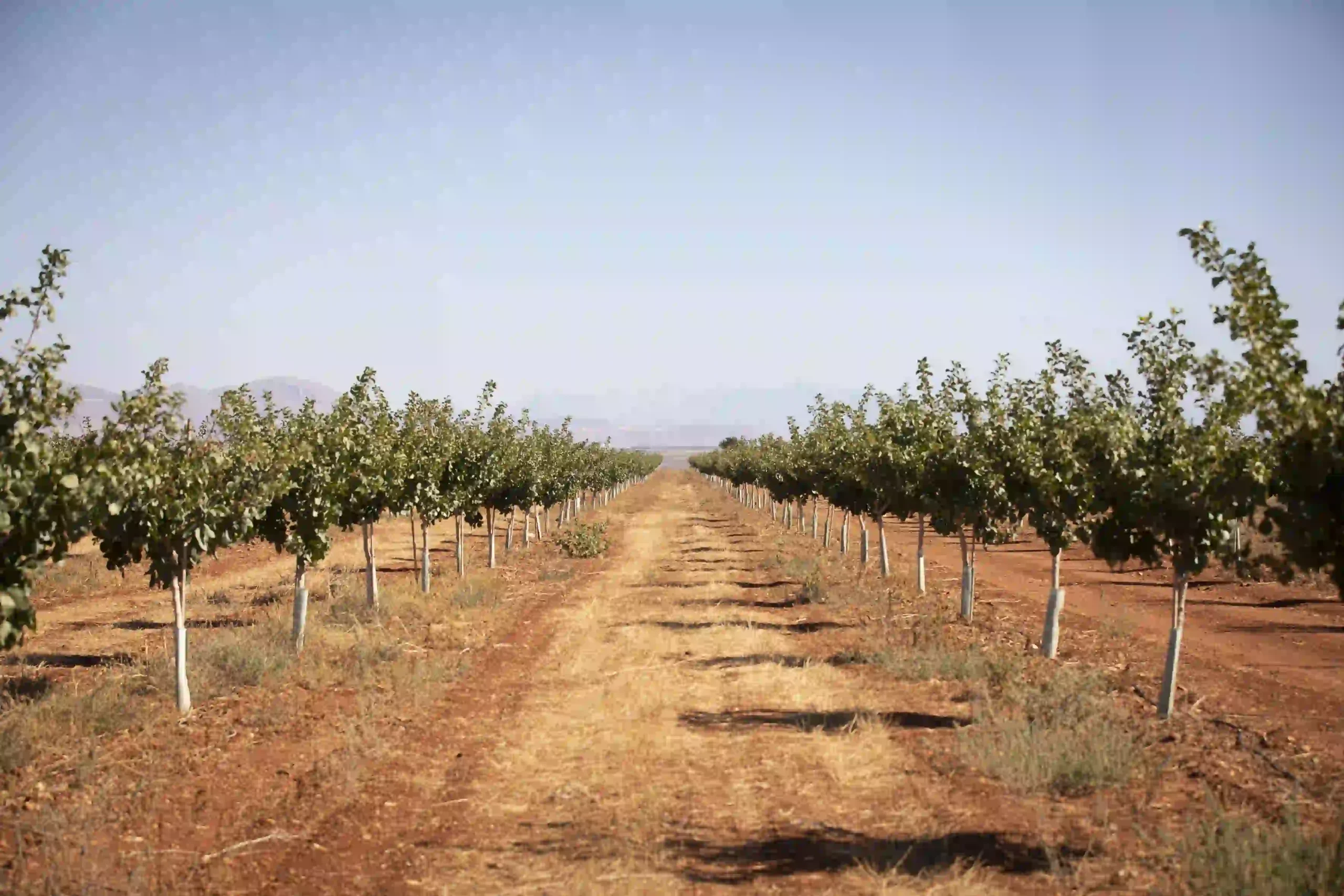
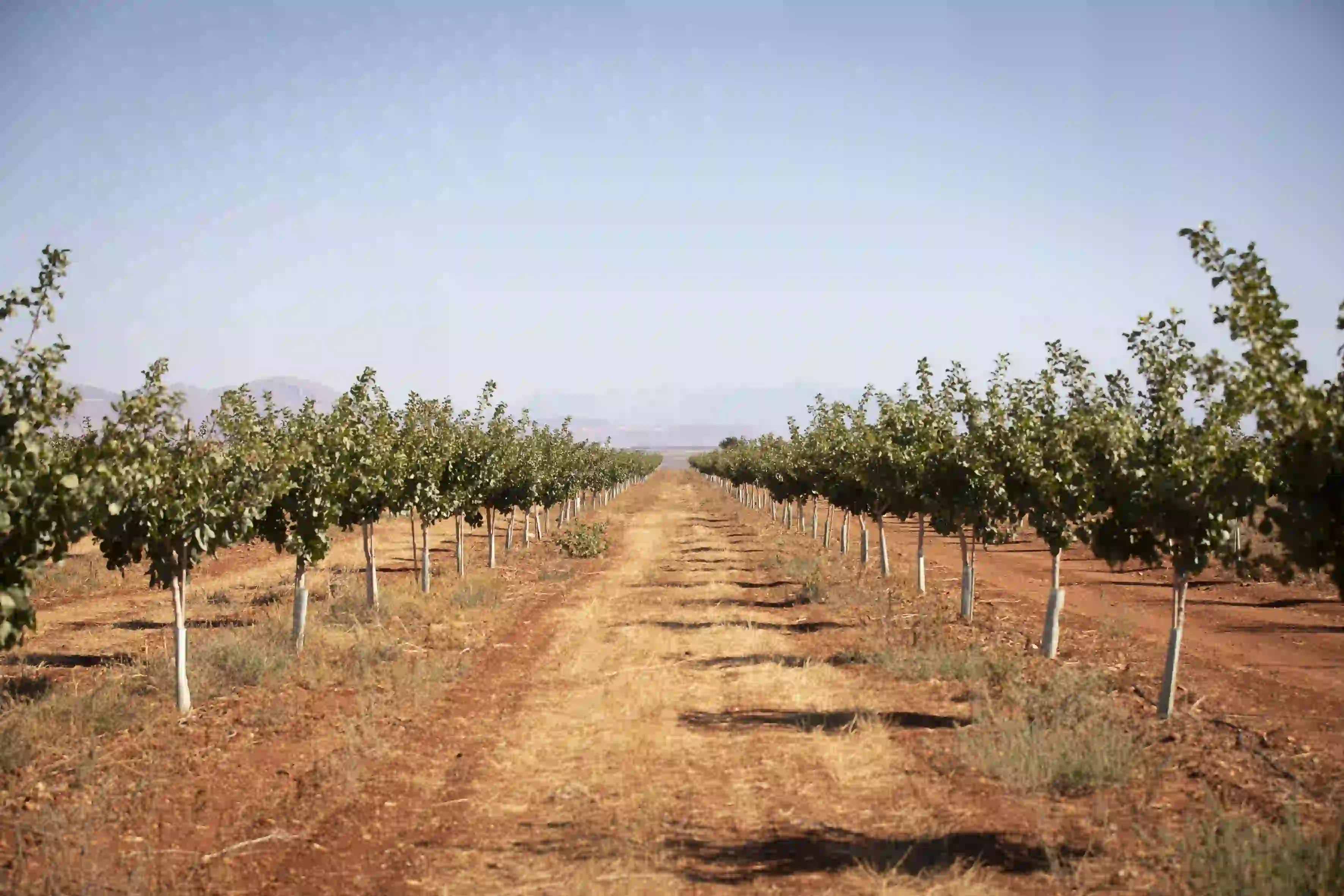
The vineyards of Bodegas Muñana, located in the foothills of Sierra Nevada in Alhama de Granada, are situated on soils with a high presence of mountain minerals, which gives our wines that mineral tension and depth that differentiates them from those produced in flatter areas.
Climate is the great director of viticulture. It determines the average temperature during grape ripening, rainfall, the temperature range (difference between daytime and nighttime temperatures), and the length of the growing season.
They are distinguished from the major types of viticultural climate:
Warm and Mediterranean climates: They produce very ripe grapes, wines with high alcohol content, ripe fruit, and soft tannins.
Cool and continental climates: Slower maturation, higher natural acidity, more complex and elegant aromas, lower alcohol content
The altitude It acts as an exceptional climate regulator: at higher altitudes, temperatures drop, nights are colder, and the temperature range increases dramatically. This is exactly what happens in the vineyards of Bodegas Muñana.
Altitude deserves its own section because, along with the soil, it is the factor that most defines the terroir of mountain wines and is most clearly reflected in the glass.
For every 100 meters that a vineyard rises above sea level:
The average temperature drops approximately 0,6 °C
Solar radiation increases (greater luminosity, more synthesis of polyphenols and aromas)
The temperature range widens (colder nights slow down ripening and preserve natural acidity)
The wind is more prevalent, reducing humidity and the risk of fungal growth.
The vineyards of Bodegas Muñana are located at over 1,100 meters high Nestled in the foothills of the Sierra Nevada mountains, these vineyards boast some of the highest altitudes in Andalusia and all of Spain. This isn't just a tourist attraction; it's the reason our wines possess that vibrant acidity, freshness, and tension on the palate that clearly distinguishes them from wines grown at lower altitudes.
The orientation of the hillside on which the vineyard is planted matters more than it seems. A south-facing aspect in the Northern Hemisphere maximizes sun exposure; a north-facing aspect reduces it. The slope of the land determines water drainage and wind exposure.
A hillside vineyard receives fewer hours of direct sunlight than one on flat land, but it also experiences less water stress and accumulates less heat, which promotes slow and controlled ripening. This combination—high radiation, moderate temperature, and good sun exposure—is the perfect formula for quality.
Here, the debate among winemakers is fascinating. The traditional French school considers terroir to be exclusively natural. But an increasingly respected current includes the winegrower and winemaker as part of the terroir: their decisions about which varieties to plant, how to work the soil, when to harvest and how to make the wine are also part of the expression of a place.
At Bodegas Muñana, we champion this broad vision. The terroir of our Sierra Nevada vineyards is extraordinary, but it only comes to life fully when our team works to respect and express it, harvest after harvest, without forcing the wine to be something it is not.
There are specific signs that reveal a wine's terroir when you taste it:
Minerality: That dry, almost stony feeling, reminiscent of wet stone or flint. Characteristic of calcareous or volcanic soils.
Lively and persistent acidity: A sign of cool or high-altitude climates; the grape has ripened slowly and retained its natural acids
Mountain aromas: Notes of wild herbs, thyme, rosemary, lavender, and rockflower appear in wines from vineyards located in areas of aromatic Mediterranean mountain vegetation.
Freshness on the palate: Even in red wines with a lot of color and structure, freshness in the aftertaste is the signature of a high-altitude terroir.
Aromatic complexity: Wines with a well-expressed terroir don't have just one or two aromas: they have layers that are revealed as the glass oxygenates.
All these characteristics are recognizable in the wines of Bodegas Muñana. Not because we have artificially "constructed" them in the winery, but because the vineyard, the altitude, and the soil of Sierra Nevada deposit them in the grapes even before winemaking begins.
The 20th century saw the rise of technological winemaking: selected yeasts, American oak barrels, must concentrators, acidity corrections… A whole toolbox capable of producing technically impeccable wines but without a recognizable geographical personality. It was called the period of the "international wines"They tasted good, but they could have come from anywhere.
The reaction came quickly. The most discerning consumers began to look for precisely the opposite: wines that tasted of a specific place, that told a geographical story. Thus was born the philosophy of "local wine"where the winery works to not interfere, to let the place speak for itself.
In practice, the best wines in the world combine both things: an exceptional terroir and excellent technique at the service of that terroir, not against it.
Andalusia is known worldwide for its wines from warm climates: Jerez, Málaga, and coastal wines. But in the interior of Granada, in the foothills of the Penibetic mountain range and the Sierra Nevada, there exists a radically different terroir: high mountain vineyards with a climatic profile closer to Castile or even the Rhône than to the typical Mediterranean south.
This unique characteristic makes the Alhama de Granada area one of the most interesting and least-known wine-growing regions in Spain. A region where altitude, mineral soil, and temperature variations create conditions for producing wines with an unmistakable identity: fresh, taut, complex, and with an acidity that gives them an aging potential beyond what one might expect from Andalusian wines.
It is the terroir that Bodegas Muñana has been working on for decades to reveal bottle by bottle.
Terroir is not an abstract concept reserved for experts: it's the reason a wine transports you to a specific place, why you can close your eyes and almost see the landscape where it originated. It's the sum of the soil, the climate, the altitude, the orientation, and the human work that brings them together.
At Bodegas Muñana, that place is the Sierra Nevada mountainside at over 1,100 meters above sea level, with its cool nights, intense light, and mineral soil. Every bottle you uncork carries that story within. You just have to listen.
 Spanish Spanish
 English
 Chinese
Puedes realizar tus pedidos con normalidad hasta el 31 de julio.
Durante estas fechas no será posible tramitar pedidos. Volveremos a estar operativos el 16 de agosto.