



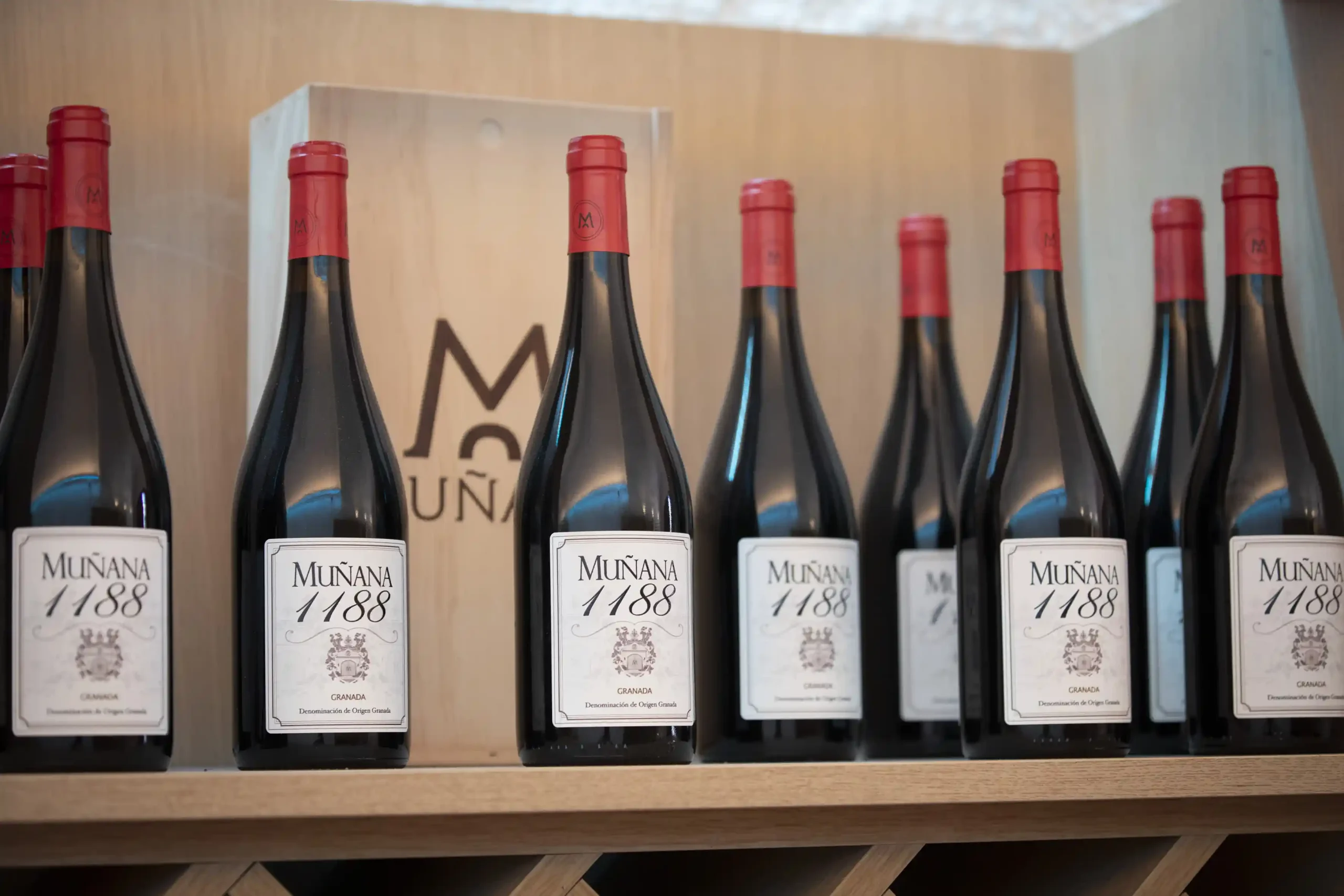
You uncork a bottle of wine and, without even realizing it, you've just made a technical decision. The type of closure on your corkscrew—or the one you opened with a simple twist of your wrist—isn't a random choice by the winemaker: it's the result of a deliberate decision that affects how the wine will reach your glass, how long it can age, and what risk it runs of spoiling prematurely.
The debate about the wine closure systems It's one of the most dynamic fields in the wine industry. It confronts tradition and modernity, romanticism and pragmatism, sustainability and convenience. There's no single, universal answer, but there are correct answers for each type of wine and each winemaker's objective. This guide explains them all.
Bottled wine is not a static product: it continues to evolve. The chemical reactions that transform a young, tannic red wine into a silky, complex Gran Reserva depend on extremely slow and controlled micro-oxygenation through the bottle's seal.
Too much oxygen: the wine oxidizes prematurely and loses its freshness and fruitiness.
Too little: the wine "reduces", developing unpleasant aromas of sulfur or gum.
The exact right amount: the wine evolves harmoniously over years, gaining complexity and losing harshness.
The closure is the regulator of that oxygen flow. And each type of closure regulates it differently, with varying levels of precision, consistency, and durability.
Natural cork is the oldest closure system and the one most culturally associated with quality wine. It comes from the bark of the cork oak tree. cork oak (Quercus suber), a Mediterranean tree whose bark is sustainably harvested every 9-12 years without harming the tree, which can live for more than 200 years.
The cellular structure of natural cork is extraordinary: millions of small hexagonal cells filled with gas that give it unique properties:
Elasticity: It compresses to fit the neck of the bottle and expands to create an airtight seal. It returns to its original shape, creating a closure that perfectly conforms to the irregularities of the glass.
Liquid impermeability: The liquid does not pass through the cork, but the gas can, albeit very slowly.
Micro-oxygenation: Natural cork allows the passage of minimal and variable amounts of oxygen over time, favoring the slow and complex evolution of wine over decades.
The main vulnerability of natural cork is its susceptibility to contamination by TCA (2,4,6-tricloroanisol)TCA, the compound responsible for the well-known defect of "corked wine". TCA forms when certain fungi present in the cork react with chlorinated compounds in the manufacturing environment.
The result is a wine with aromas of dampness, wet cardboard, cellar, or a damp cloth that completely masks the fruit and the wine's own aromas. It's a serious and irreversible defect: there's no way to "save" a corked bottle.
The TCA contamination rate in natural cork has improved significantly over the past 20 years thanks to improvements in manufacturing processes, but it still hovers around 1-3% of the bottlesThis represents a significant loss for both producers and consumers.
Natural cork remains the preferred closure for:
Wines designed to age for decades: Great reserves, great crus from Bordeaux and Burgundy, Vintage Port. The variable micro-oxygenation of the natural cork is an active factor in the evolution of these wines.
High-end wines whose image of quality and tradition is part of their value: The experience of uncorking and the ritual surrounding natural cork have a communicative and emotional value that other closures do not replicate.
Agglomerated cork is made from cork granules—the waste and trimmings from natural cork production—bonded with adhesives. It is cheaper, more uniform, and virtually free of the TCA problem, but it has one critical limitation: It does not allow micro-oxygenation in the same way as natural cork and tends to lose elasticity over time.
This type of cork is suitable for wines intended for quick consumption (within the year or two following the harvest) where aging is not desired: it guarantees sealing during that period without the risk of TCA.
Over the past 20 years, the cork industry has developed a new generation of high-end technical corks that attempt to combine the best of natural cork (elasticity, micro-oxygenation) with the almost total elimination of TCA.
The best known and most widespread is the system SILENCEManufactured by the French company Oeneo. The process consists of:
Grind the natural cork until you obtain fine granules
Subject the granules to an extraction process with supercritical CO₂ that eliminates TCA and other potentially problematic volatile compounds with an effectiveness of over 99%
Reconstitute the granules with high-quality binders to obtain a homogeneous cork with controlled properties
The result is a cork with virtually zero APR, elasticity comparable to natural cork and, most innovatively, Oxygen permeability levels adjustable according to the type of wineThe different DIAM references (DIAM 2, DIAM 5, DIAM 10, DIAM 30) are designed for wines with different expected lifespans: the number indicates approximately the number of years during which it maintains its optimal properties.
This technology has gained very rapid adoption among high-end wineries worldwide, including top references from Burgundy, Bordeaux and Spain, who value consistency and the elimination of the risk of TCA without giving up the properties of cork.
The screw cap or screwcap It is the most airtight and reliable sealing system available. It consists of an aluminum metal capsule with an internal gasket that can be made of different materials (Saranex, tin, tin, etc.) that precisely regulates the level of oxygen permeability.
Zero risk of eating disorders: Completely eliminates the defect of corked wine
Absolute consistency: Each bottle receives exactly the same sealing conditions; the variation between bottles from the same batch is minimal.
Ease of opening: It does not require a corkscrew, which is especially relevant for consumption outside the home.
Reversibility: The bottle can be partially resealed, although this has obvious limitations for preservation.
Image and perception: In many markets, especially more traditional European ones, screw caps are still subconsciously associated with lower quality wines, although this perception is changing rapidly in Anglo-Saxon markets and among younger consumers.
Reduction: The very low oxygen conditions provided by the tighter seal can favor the reduction Regarding wine: the development of unpleasant aromas of sulfur or rubber due to lack of oxygen. This is a real risk in highly reductive wines that need some oxygen to evolve.
The screw cap is the optimal choice for:
Young whites and pinks for fresh consumption where the preservation of primary aromas is the main objective and no evolution in the bottle is sought
Light and fruity red wines for immediate consumption
High-altitude wines with high acidity that want to be preserved in all their freshness: the screwcap's airtight seal is especially beneficial for these wines, which lose their most valuable distinguishing feature —freshness and primary aromas— if they oxidize prematurely
Countries like New Zealand, Australia and the United Kingdom They have adopted the screwcap massively, even in high-end wines, which has helped to change their image in these markets.
El tapón de vidrio comercializado bajo nombres como Vino-Lok o Vino-Seal consiste en un émbolo de cristal óptico con una junta de silicona o polietileno que sella herméticamente la botella. Es esencialmente impereable al oxígeno, como el screwcap más hermético, pero con una estética completamente diferente: el cristal transparente comunica calidad, modernidad y sofisticación.
Sus principales limitaciones son el coste (significativamente más caro que corcho o rosca) y la necesidad de botellas con cuello especialmente diseñado para este sistema. Por eso su adopción sigue siendo minoritaria, concentrada en vinos blancos aromáticos de alta gama y en bodegas que quieren diferenciarse estéticamente.
Plastic or synthetic cork stoppers were popular in the 1990s and 2000s as an alternative to natural cork, which eliminated TCA. However, they have proven to have their own problems that make them less than ideal:
Permeabilidad al oxígeno impredecible y que varía enormemente entre fabricantes y lotes
Pérdida de elasticidad con el tiempo: los tapones de plástico tienden a endurecerse y perder el sellado hermético, lo que puede permitir entradas de oxígeno no deseadas
Dificultad de extracción en algunos casos: pueden agarrotarse en el cuello de la botella, haciendo el descorche difícil y agotador
Impacto ambiental: El plástico no es biodegradable ni fácilmente reciclable
Today, most serious producers who want to avoid natural cork opt for screwcap or high-end technical corks (DIAM) instead of synthetic ones.
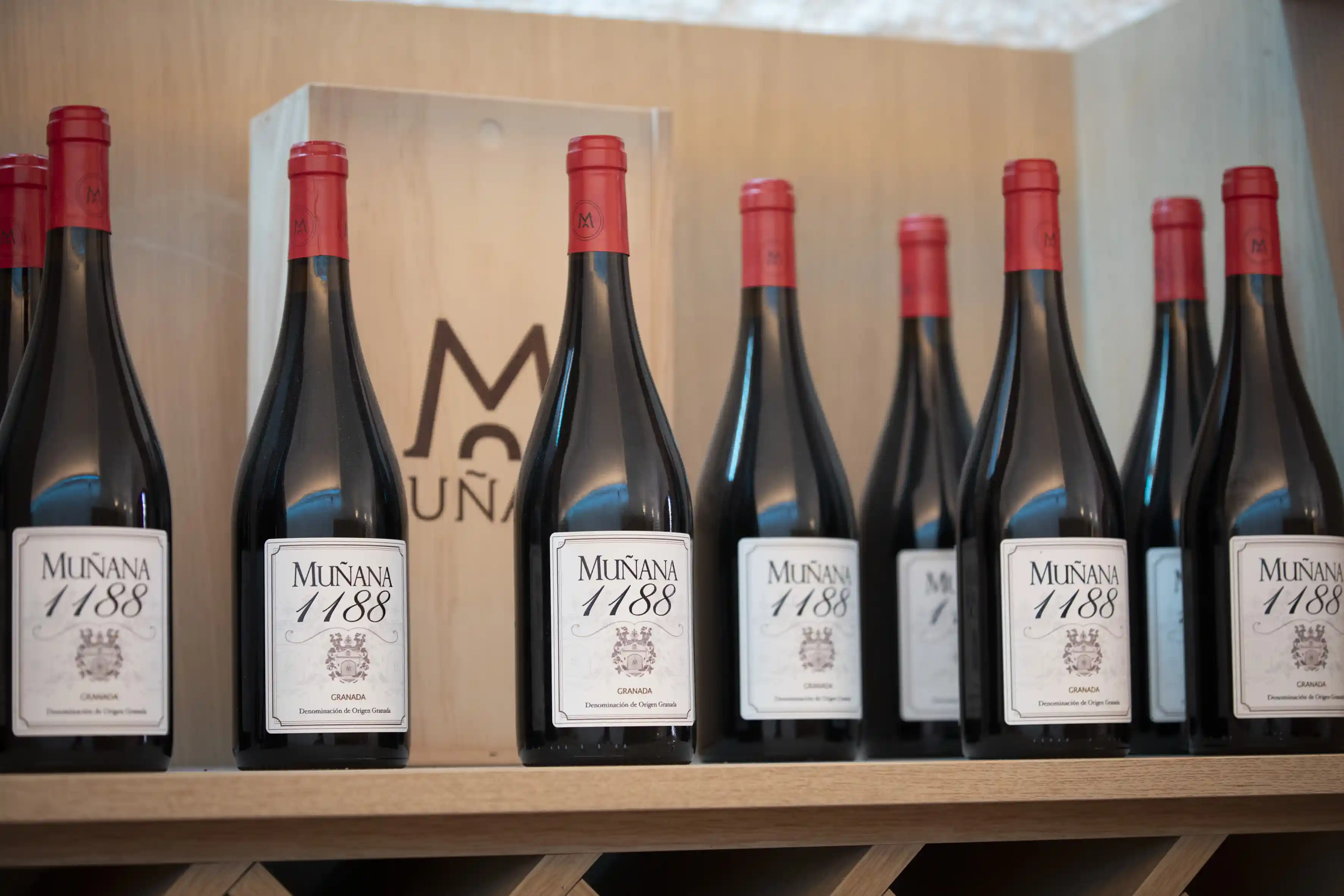
La respuesta honesta es que no hay un sistema de cierre universalmente superior: hay sistemas más o menos adecuados según el tipo de vino, el mercado de destino y los objetivos del enólogo.
If you produce a great reserve red wine designed to age for 20 years in the bottle, high-quality natural cork or DIAM 30 are the most reasonable options.
If you're producing a young white wine with high acidity and delicate aromas intended to be drunk within the year, the screwcap is probably the technically most correct option.
If your primary market values the tradition and ritual of uncorking, natural cork communicates those values even though it carries a small risk of TCA.
If your market prioritizes consistency and practicality, screwcap or DIAM are more robust options.
What is certain is that low-quality synthetic cork and conventional agglomerated corks for wines older than two years are choices that rarely benefit the wine.
One of the least mentioned arguments in favor of natural cork is its positive environmental impactThe cork oak forests of the western Mediterranean, concentrated mainly in Portugal, Spain, Morocco, Algeria and Italy, are ecosystems of very high biodiversity that depend economically on the cork industry.
A well-managed cork oak forest:
Fixed CO₂ very efficiently: every 9-12 years, when the bark is removed, the tree doubles its CO₂ absorption rate to regenerate it
Preserve biodiversity: Mediterranean cork oak forests are home to emblematic endangered species such as the Iberian lynx and the Spanish imperial eagle.
Generates a sustainable rural economy in disadvantaged areas of the Mediterranean where few alternative activities are viable
If the demand for natural cork were to fall drastically due to the mass adoption of synthetic or aluminum alternatives, the economic viability of cork oak forests would be threatened, with serious ecological consequences for these unique ecosystems.
At Bodegas Muñana, the sustainability of the entire wine chain, from the vineyard to the bottle, is part of our philosophy. As we explained in our article on sustainable viticultureRespect for the ecosystem does not end at the winery door.
The type of closure also determines how you should store the bottle:
Natural and technical cork: The bottle should be stored in a horizontal position so that the wine remains in constant contact with the cork. If the cork dries out, it loses elasticity and can allow unwanted oxygen to enter.
Screw cap and glass: The storage position is irrelevant for the airtight seal; however, storing them horizontally out of habit is not harmful
All types: Cool and constant temperature (12-16°C), darkness and no vibrations are the key factors regardless of the closure
For a complete guide on home wine storage, we recommend our article on how to store wine at home.
There is a dimension of natural cork that no technical data fully captures: the the uncorking ritualThe sound of the cork popping out, the gesture of the corkscrew, the ceremony of checking the condition of the cork before serving… are all part of an experience that many consumers value in itself, regardless of the physical properties of the closure.
This emotional component is not trivial: in many contexts a special dinner, the opening of an occasion bottle, the moment of sharing a memorable wine, the ritual contributes to the overall wine experience as much as the aromas and flavors.
This is why, even in a world where technical closures can replicate or surpass the physical properties of natural cork, it remains the closure of choice for the most important wines and the most special occasions. The best technology doesn't always win: sometimes the best experience does.
If you want to know how to get the most out of that experience at your table, our articles on how to serve wine correctly and how to choose a wine glass They complete the comprehensive guide to table wines. And if you want to experience it firsthand with the wines of Sierra Nevada, we look forward to seeing you at our wine tourism visit in Granada.
Choosing a closure system is, at its core, a question of objectives: Do you want this wine to evolve over decades or to preserve its freshness for two years? Do you prioritize technical consistency or ritual and tradition? Does your market value modernity or the cultural heritage of cork?
There's no single answer, but there are correct answers for every situation. And knowing them allows you, as a consumer, to better understand why each winery chooses what it chooses, and to appreciate that decision as part of the story behind every bottle you open.
 Spanish Spanish
 English
 Chinese
Puedes realizar tus pedidos con normalidad hasta el 31 de julio.
Durante estas fechas no será posible tramitar pedidos. Volveremos a estar operativos el 16 de agosto.