



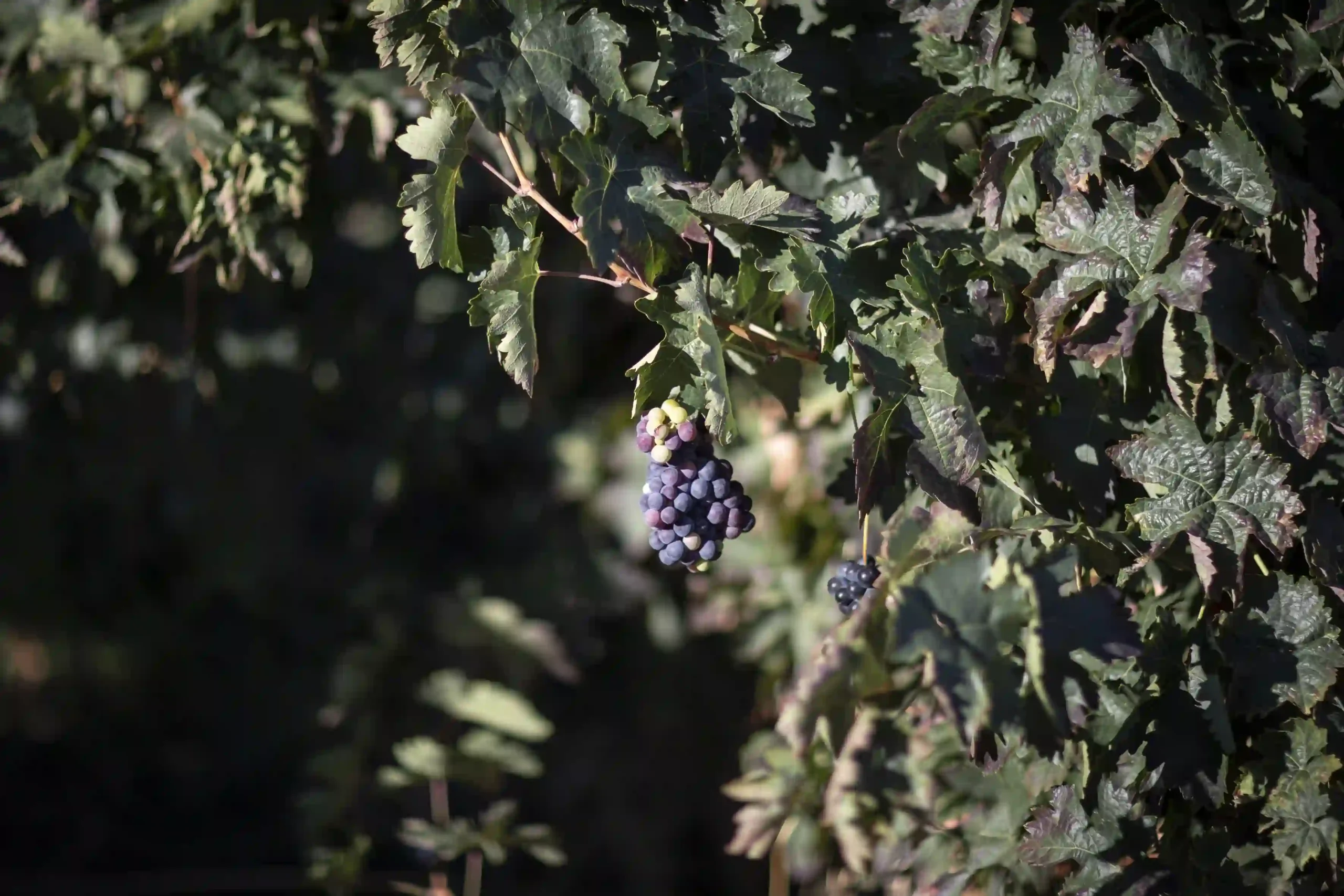
Imagine a vineyard hillside under the stars, the coolness of dawn, and teams of harvesters working by headlamp. This isn't a romanticized image: it's a real, technical practice, increasingly common among wineries that prioritize quality over convenience, and it has direct and measurable consequences for the wine that will end up in your glass.
The night harvest —also called cold harvesting or early morning harvesting— consists of picking the grapes during the coolest hours of the day, generally between 11 p.m. and 6 a.m., when the ambient temperature and the temperature of the grapes themselves are significantly lower than during the day. It's a logistically complex and costly decision that, nevertheless, makes a real difference in the final quality of the wine.
To understand night harvesting, one must understand what happens inside the grape bunch from the moment it is cut from the vine until it reaches the winery.
The grape is a living organism. As soon as it is separated from the plant, it begins to activate. oxidation and spontaneous fermentation processesThe natural yeasts present on the grape skin begin to act on the sugars, and oxygen attacks the most delicate and volatile aromatic compounds. The speed at which all this occurs depends directly on the temperature.
At 30°C—the typical temperature of a harvest morning in southern Spain in September—these processes accelerate. At 12-15°C—the typical temperature of a mountain dawn during the same period—they practically stop. The grapes arrive at the winery and
in a radically superior state of freshness and preservation.
It is, in essence, the same principle by which we store food in the refrigerator: the cold slows down degradation and preserves quality.
The aromatic compounds in grapes—terpenes, esters, thiols—are highly volatile and extremely sensitive to heat. During a daytime harvest in high temperatures, a significant portion of these compounds evaporates or degrades before even reaching the winery. A nighttime harvest protects them, ensuring the grapes arrive at the press or fermentation tank with their full aromatic potential intact.
The result in the cup is straightforward: more aromas, fresher, more complex and more definedIt is especially noticeable in white and rosé wines, where the primary aromas of the variety are the main asset of the wine.
Heat doesn't just affect aromas: it also degrades the malic acid From the grape, one of the natural acids that contribute freshness and tension to the wine. Harvesting at night, when the grapes are cool and the acids are intact, allows them to arrive at the winery with a higher natural acidity, resulting in fresher, more balanced wines with greater aging potential.
In warm areas or in late harvest years with high temperatures, this difference can be what separates a mediocre wine from a memorable one.
During the hot daytime grape harvest, the crushed grapes
The grapes in the trailers and crates begin to ferment even before reaching the winery. This spontaneous and uncontrolled process consumes aromas, raises the pH, and produces unwanted compounds. The low temperature of the night harvest acts as a natural brake on all this premature enzymatic and microbiological activity.
Grapes that arrive chilled, intact, and with their natural acids preserved require far less technological intervention in the winery: fewer acidity adjustments, fewer enzyme additions, and less stress on the must. The winemaker can work with greater freedom and fewer "fixes," resulting in cleaner, more authentic wines.
In warm-climate regions like Andalusia, night harvesting is not a luxury: it's almost a necessity for those seeking wines with high aromatic expression. Daytime temperatures in September and October can exceed 30-35°C in many areas, causing grapes picked during the day to arrive at the winery already hot and partially oxidized.
However, in the high altitude mountain vineyards In places like Bodegas Muñana—located more than 1,100 meters above sea level in the foothills of the Sierra Nevada mountains in Alhama de Granada—the situation is different. The altitude itself acts as a natural thermal regulator:
The nights are cool even during the peak of the grape harvest, with temperatures that can drop to 10-14 °C
The temperature range (difference between daytime and nighttime temperature) is much greater than in lowland areas
The grapes accumulate less heat during the day because the maximum temperature is more moderate.
This mountainous location means our vineyards have a natural advantage over those in lower-lying areas: even during the daytime harvest, the grapes arrive at the winery in better thermal condition. And when nighttime or early morning harvesting is chosen, the effect is even greater.
To understand in depth how the altitude and conditions of Sierra Nevada shape the character of our wines, we recommend our article on What is wine terroir?, where we explain how each environmental factor leaves its mark on the grape.
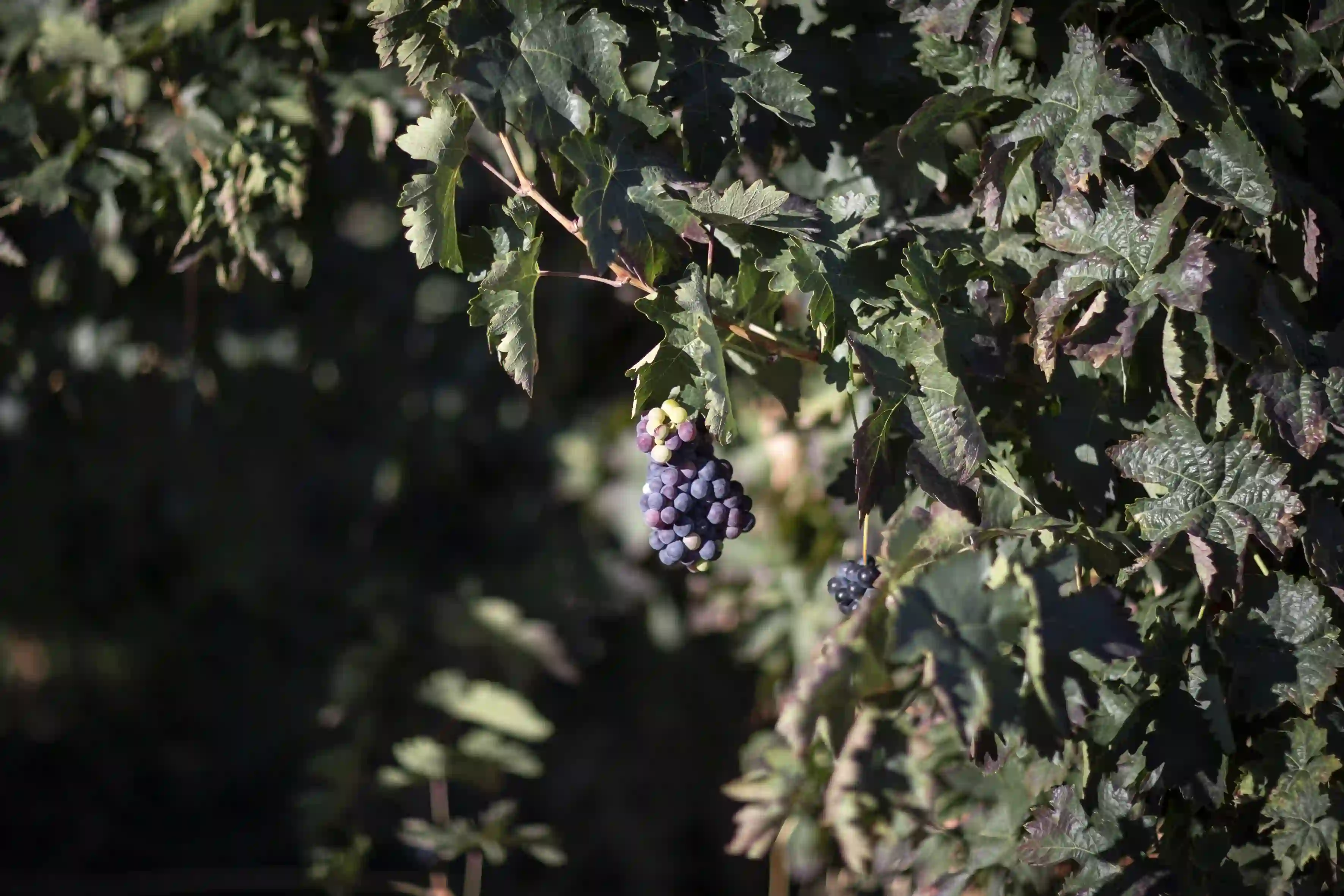
Organizing a nighttime grape harvest is logistically more complex than a daytime one. Some of the key aspects include:
The grape harvesters work with high-power LED front lights These lights illuminate the grape bunches and allow for quality selection without losing good grapes. In very large vineyards, mobile spotlights or tractors with integrated lighting are also used.
A common argument against night harvesting is the difficulty of correctly selecting the bunches in the dark. However, improvements in portable lighting have largely solved this problem. Furthermore, in high-quality harvests, pre-selection during the preceding weeks—removing defective or unevenly ripened bunches—reduces the need for intensive selection at harvest time.
One of the key objectives is for the grapes to reach the winery before the sun comes out and the temperatures riseThis requires precise coordination between the harvest schedule in the vineyard and the winery's receiving capacity. In many cases, the winery also works at night to receive and process the newly arrived grapes while they are still fresh.
The decision of when to harvest—day or night, and exactly which day—is one of the most critical of the year for the winemaker. It is based on monitoring the grapes' ripeness through analyses of sugars, acidity, and polyphenols, as well as on the weather forecast. An unexpected heatwave can bring forward the night harvest by several days.
While any quality wine benefits from improved harvesting conditions, there are wine types where the impact is particularly noticeable:
Aromatic white wines: Chardonnay, Sauvignon Blanc, Muscat… their identity lies in the primary aromas of the variety, which are the first to be lost in the heat. Harvesting at night preserves them exceptionally well.
Rosé wines: Its freshness and its fruity and floral aromas are equally fragile and benefit greatly from cold harvesting.
Quality sparkling wines: The foundation of a good sparkling wine is the natural acidity and delicate aromas of the grapes. Both depend critically on the grapes arriving at the winery in perfect condition.
Red wines with high aromatic expression: Especially varieties like Syrah or Petit Verdot, whose varietal aromas (violet, pepper, black fruits) are very sensitive to heat
The nighttime grape harvest is one of those details that They do not appear in the label from the bottle, but present in every sip. When you open a wine and are surprised by the intensity and purity of its aromas, when the freshness is so vibrant you can almost smell the vineyard, when the balance between fruit, acidity, and structure is so harmonious you can't pinpoint where one begins and the other ends… often, behind that experience lie invisible decisions like these.
At Bodegas Muñana, the combination of the natural altitude of Sierra Nevada with the care taken at the time of harvesting is part of our work philosophy: that the wine expresses the place, that the place is expressed in the wine, and that the entire journey from the vineyard to your glass preserves intact what nature put in the grape.
If you want to see firsthand how we work the vineyard and the winery, we invite you to experience the Wine tourism in Granada with a visit to Bodegas Muñana. And if you want to explore our full range of high-altitude wines, we look forward to seeing you at our online store.
Night harvesting is a commitment to quality in its purest form: more expensive, more complex, more demanding for everyone involved. But when the result is a wine that reaches your glass with all its aromas intact, with that freshness that only cold harvesting provides, with that tension and balance that are the hallmark of meticulous viticulture… the night is worth it.
Great wine isn't born in the winery. It's born in the vineyard, in the decisions made long before fermentation begins. And one of the most important decisions is made by glancing at the clock and choosing whether to harvest in the blazing sun or wait for the stars to illuminate the hillside.
 Spanish Spanish
 English
 Chinese
Puedes realizar tus pedidos con normalidad hasta el 31 de julio.
Durante estas fechas no será posible tramitar pedidos. Volveremos a estar operativos el 16 de agosto.