
Wine tasting is an art that allows you to discover the subtleties and characteristics of each bottle. Through three phases—visual, olfactory, and gustatory—tasters can fully evaluate and enjoy a wine. If you are passionate about the world of wine or wish to delve deeper into the tasting process, this guide will help you understand the keys to a successful wine tasting.
Wine tasting is a technique that allows you to analyze the characteristics of a wine using your senses. It is divided into three main phases that reveal the quality, character, and complexity of each bottle. Whether at a professional tasting or on a visit to a winery, understanding the phases of wine tasting will help you enjoy wine more and better understand its unique qualities.
The first step in a wine tasting is to assess its appearance. This visual analysis provides valuable information about the age, quality, and type of wine we are about to taste.
The sense of smell is fundamental in wine tasting. The aromas of wine tell us its story, from the grape to the fermentation and aging process.
A good wine should offer a aromatic complexityThat is, a rich blend of aromas, as well as a intensity notable that makes it attractive and pleasant to the smell.

Finally, it's time to taste the wine. This phase is crucial, as it involves both the sense of taste and the tactile sensations in the mouth, as well as retronasal smell, which allows us to perceive the aromas as we exhale after drinking.
At the end of the tasting, the overall analysis of the wine is based on three key aspects: the balance among its components, the complexity of its aromas and flavors, and the persistence on the palate. A good wine should harmonize all these elements to offer a complete and memorable experience.
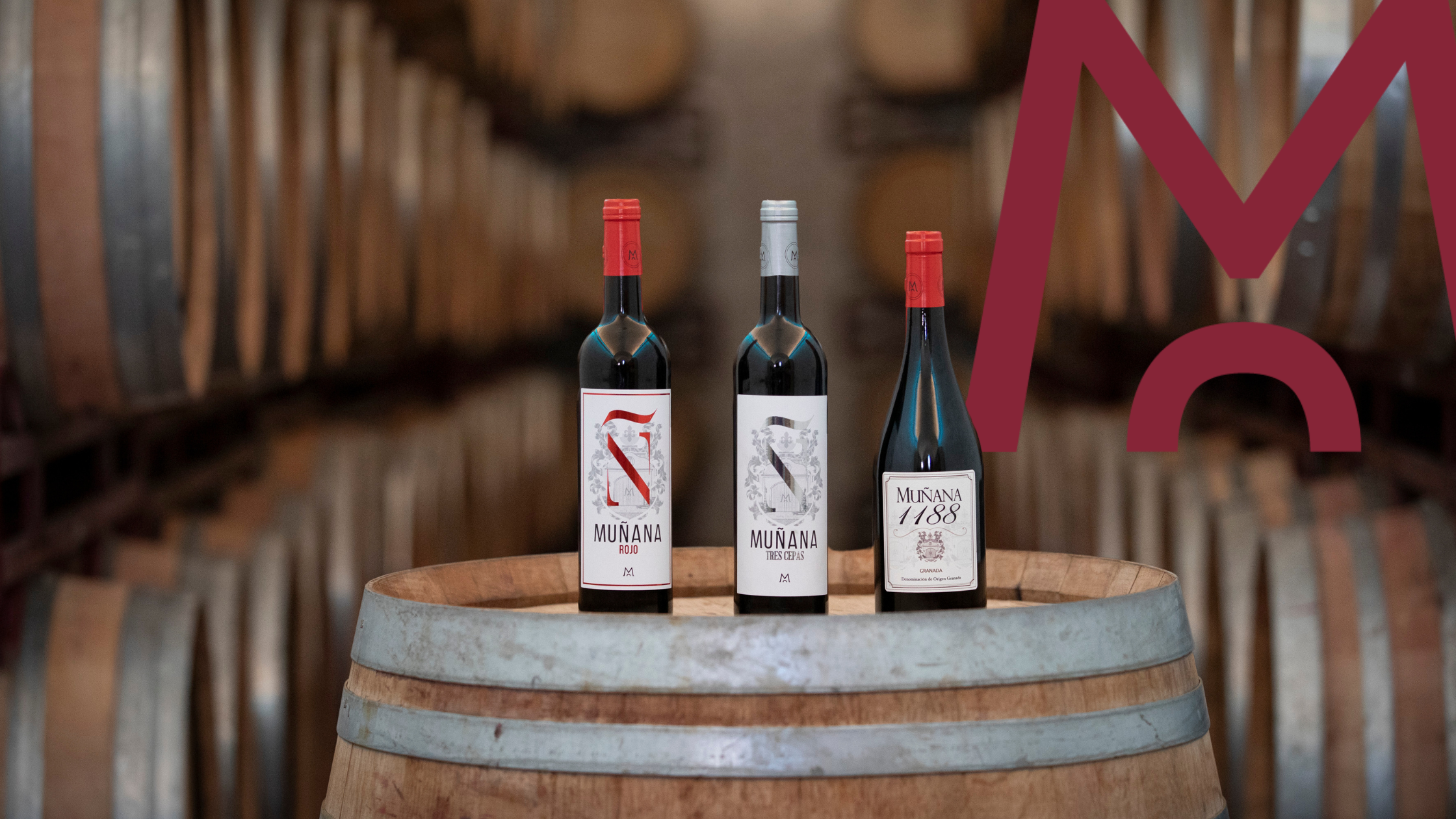
If you'd like to put what you've learned into practice and have a unique experience, we invite you to visit Bodegas MuñanaWe offer guided tastings where you can sample our best wines and learn more about the production process in a privileged setting.
Book your visit now and embark on the fascinating world of wine tasting!
 Spanish Spanish
 English
 Chinese
Puedes realizar tus pedidos con normalidad hasta el 31 de julio.
Durante estas fechas no será posible tramitar pedidos. Volveremos a estar operativos el 16 de agosto.